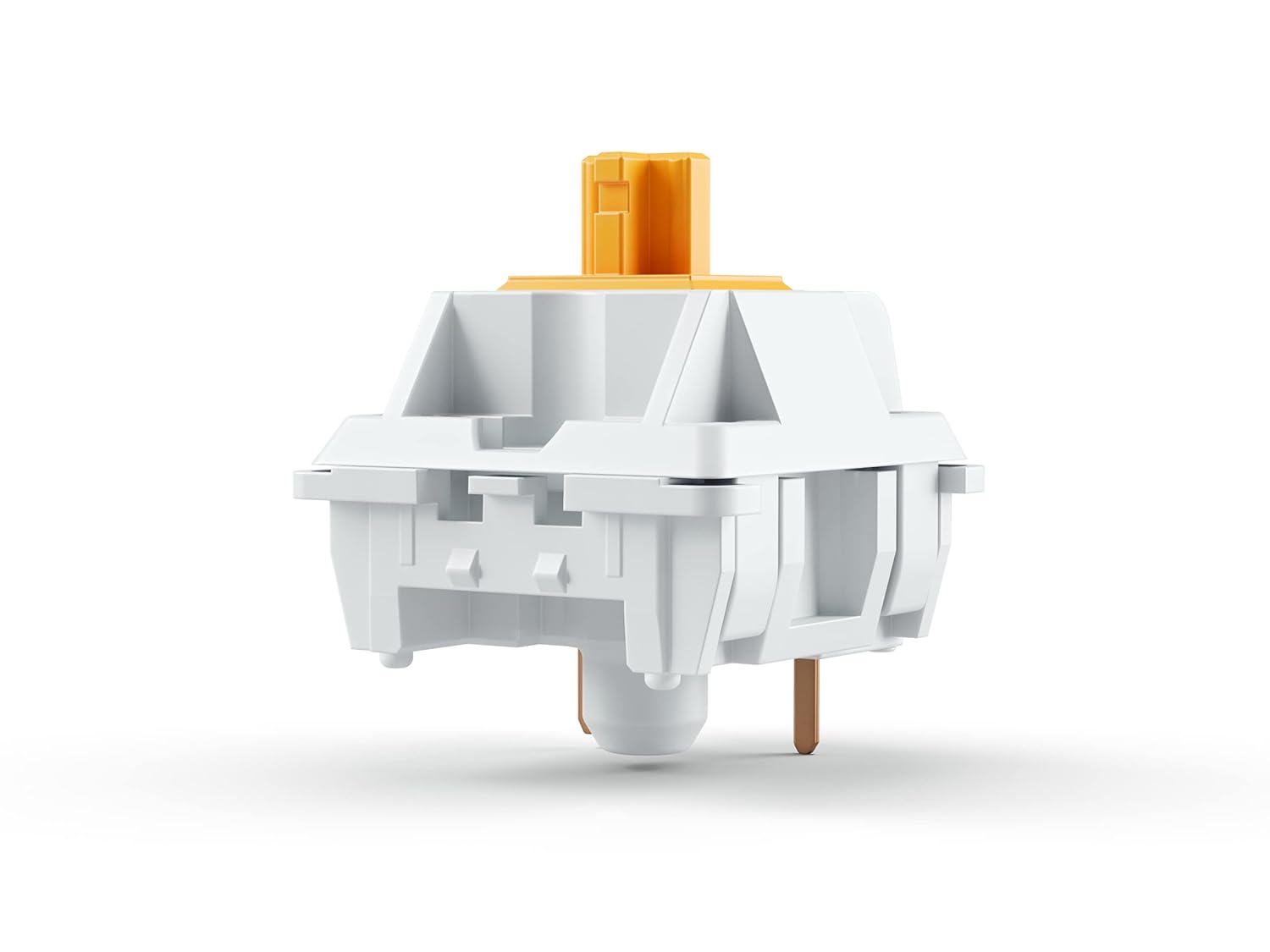
Tactile favorite
Glorious Holy Panda Lubed
A strong tactile pick if you want each press to feel pronounced without moving into full clicky territory.
Buy NowLearn MoreMost first-time buyers have too many tabs open and not enough clarity on what actually matters. This guide keeps the order simple: pick the feel, pick the layout, then compare the features and boards that fit.
Three decisions first
If you are unsure where to begin, start with linear versus tactile. Clicky only makes sense when you explicitly want the extra noise and sharper feedback.
Mechanical keyboards feel different because every key uses its own physical switch. That switch controls how smooth the press feels, whether there is a bump, and how much sound you notice before the keyboard case changes the rest.
Smooth from top to bottom. Usually the easiest path for gaming and fast repeated presses.
Best linearsA noticeable bump without the loud click. Better if you want feedback while typing.
Best tactilesThe loudest and most dramatic option. Only choose clicky if you know you want the extra noise.
Switch guideIf you want the safest first answer, start with a smooth linear or a medium tactile. Once you use one for a while, it becomes much easier to judge spring weight, sound, and whether you want something more specialized.
Tactile favorite
A strong tactile pick if you want each press to feel pronounced without moving into full clicky territory.
Buy NowLearn More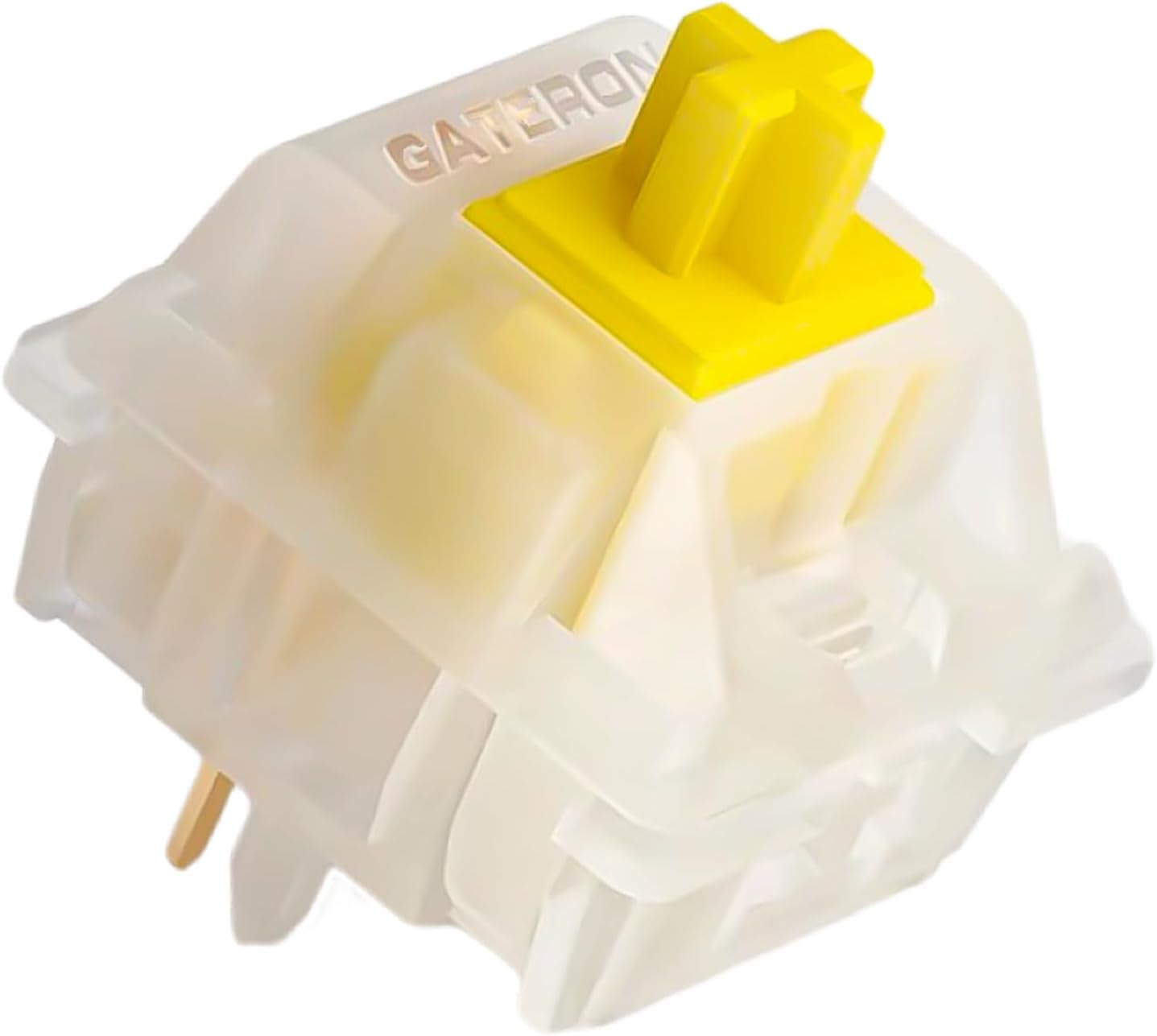
Best first linear
Still one of the simplest low-risk recommendations when you want a smoother, budget-friendly starting point.
Buy NowLearn MoreCompact layouts can look cleaner and save space, but they only help if they still support the keys you actually use. Our keyboard sizes chart shows what each size keeps and how many keys it has.
Simple rule
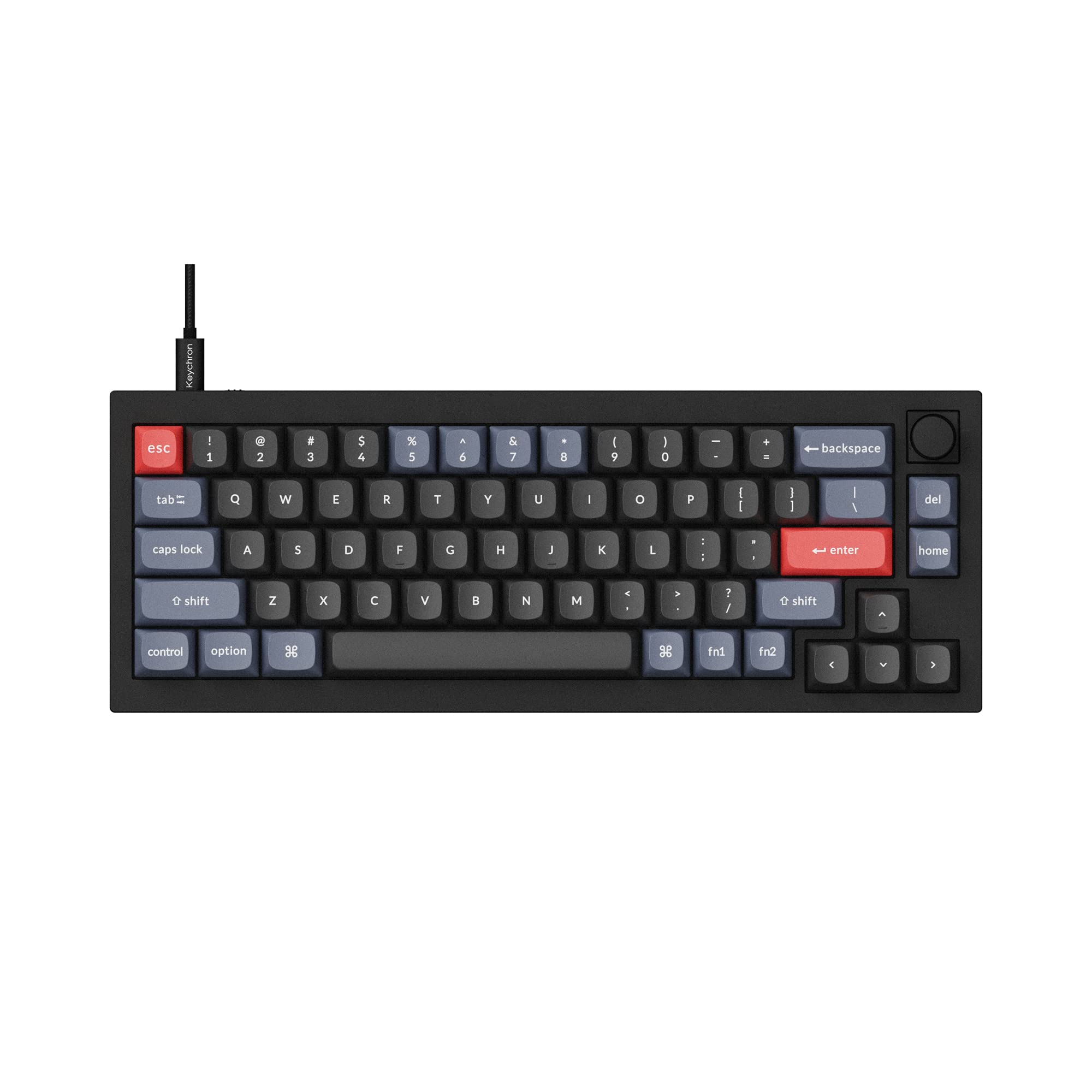
Best first hot-swap board
A practical 65% with QMK/VIA support, hot-swap sockets, and a layout that still feels approachable for most people.
Buy NowLearn More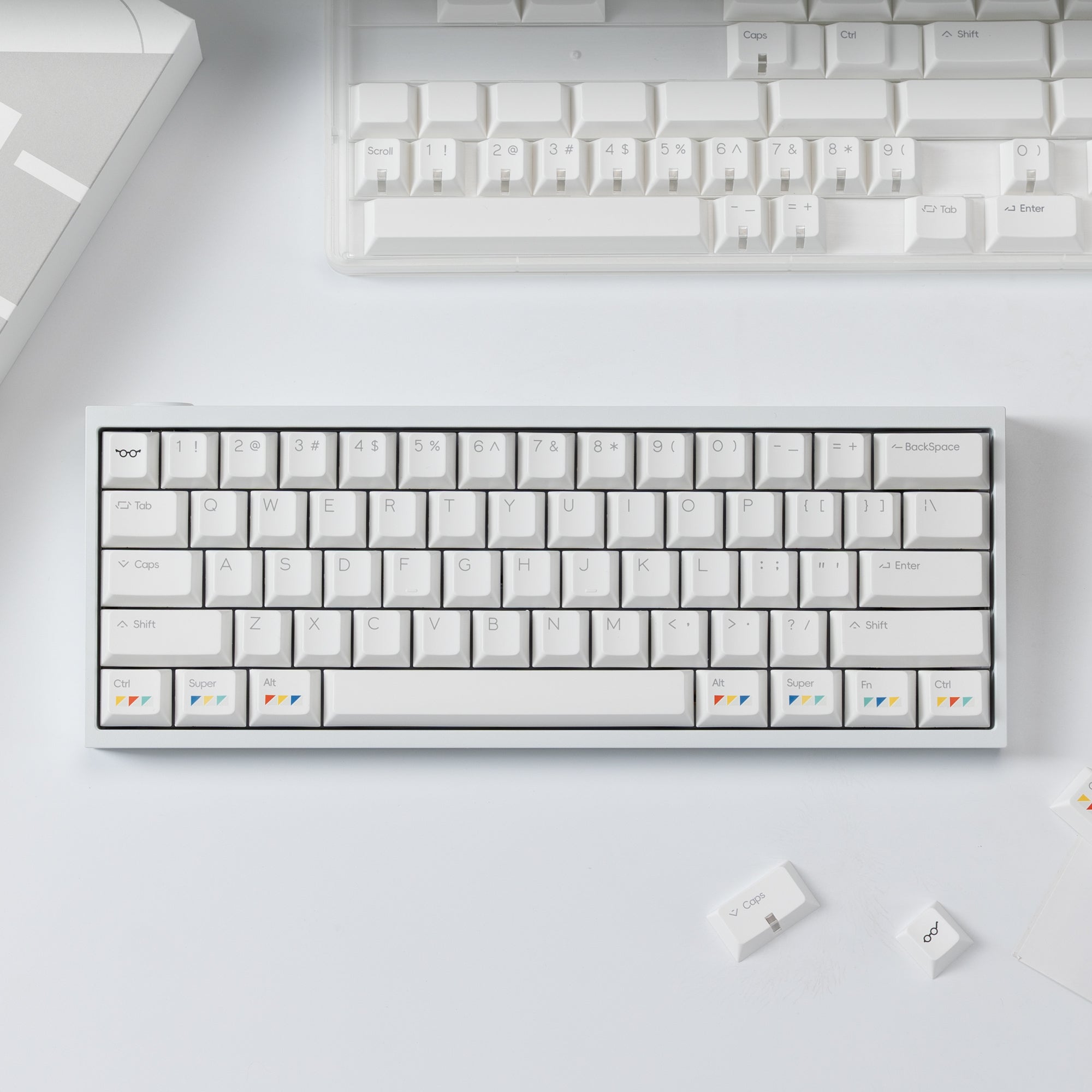
Best compact metal step-up
If you want a denser 60% footprint and an aluminum case without building from scratch: it ships fully assembled with a hot-swap VIA PCB and PBTfans Clarvoy keycaps.
Buy NowLearn MoreMost beginners get more value from hot-swap support, decent software, and solid sound than from flashy RGB claims or novelty extras.
Lets you change switches later without soldering. For most beginners, this matters more than flashy RGB.
Useful if you want to remap layers, shortcuts, or knob behavior instead of staying with the stock layout forever.
Usually gives a softer, more cushioned feel and can help the board sound less sharp on bottom-out.
Convenient for mixed-device desks, but only worth prioritizing if battery life and cable-free use actually matter to you.
Helps tame hollowness and desk harshness. Sound-focused buyers should care more about this than default RGB effects.
Nice upgrades for a specific use case, but neither should outrank fit, layout, or switch feel on your first purchase.
When one priority leads
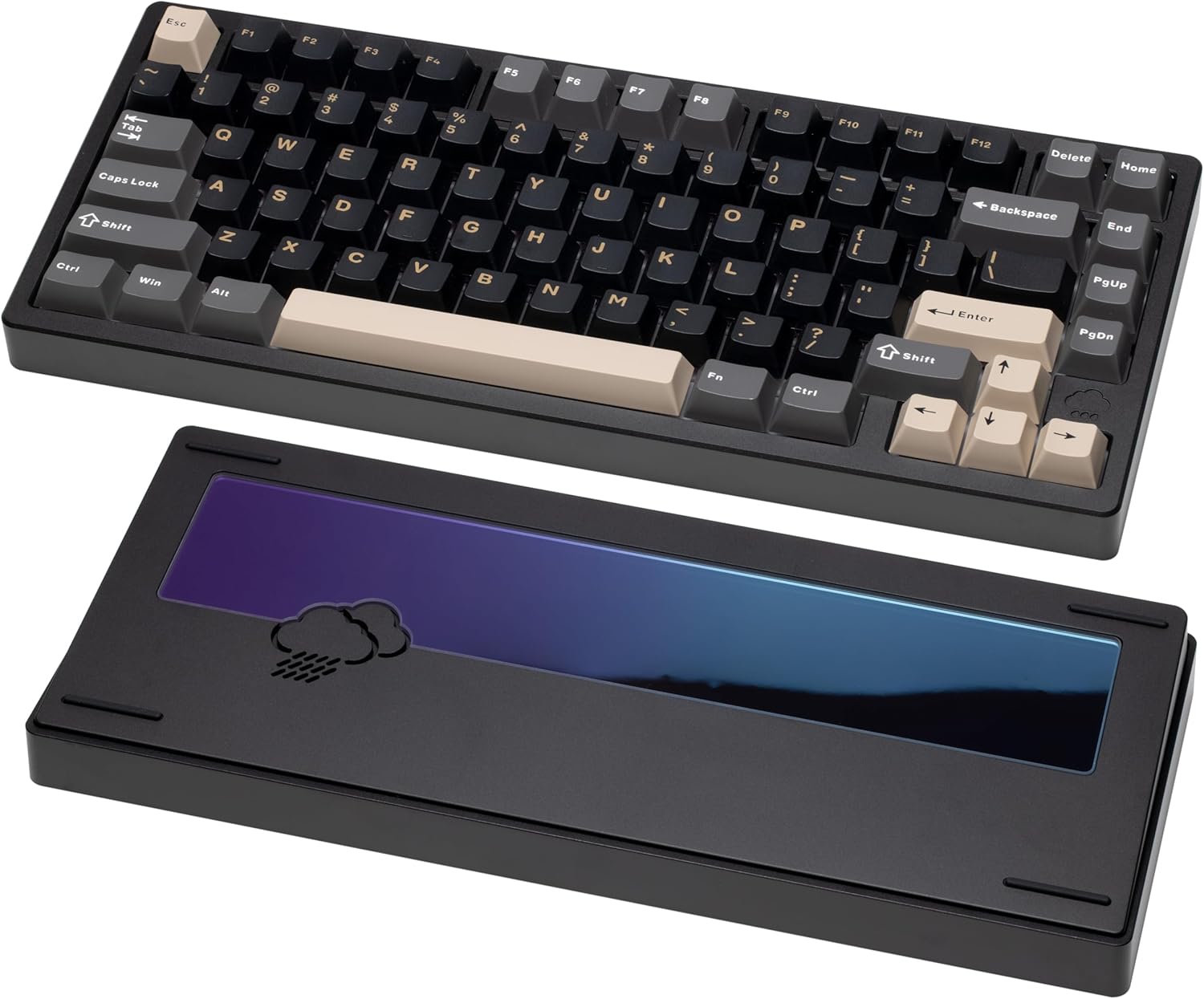
Sound-first route
Worth shortlisting if you already know you want a softer, fuller typing sound and a more premium feel.
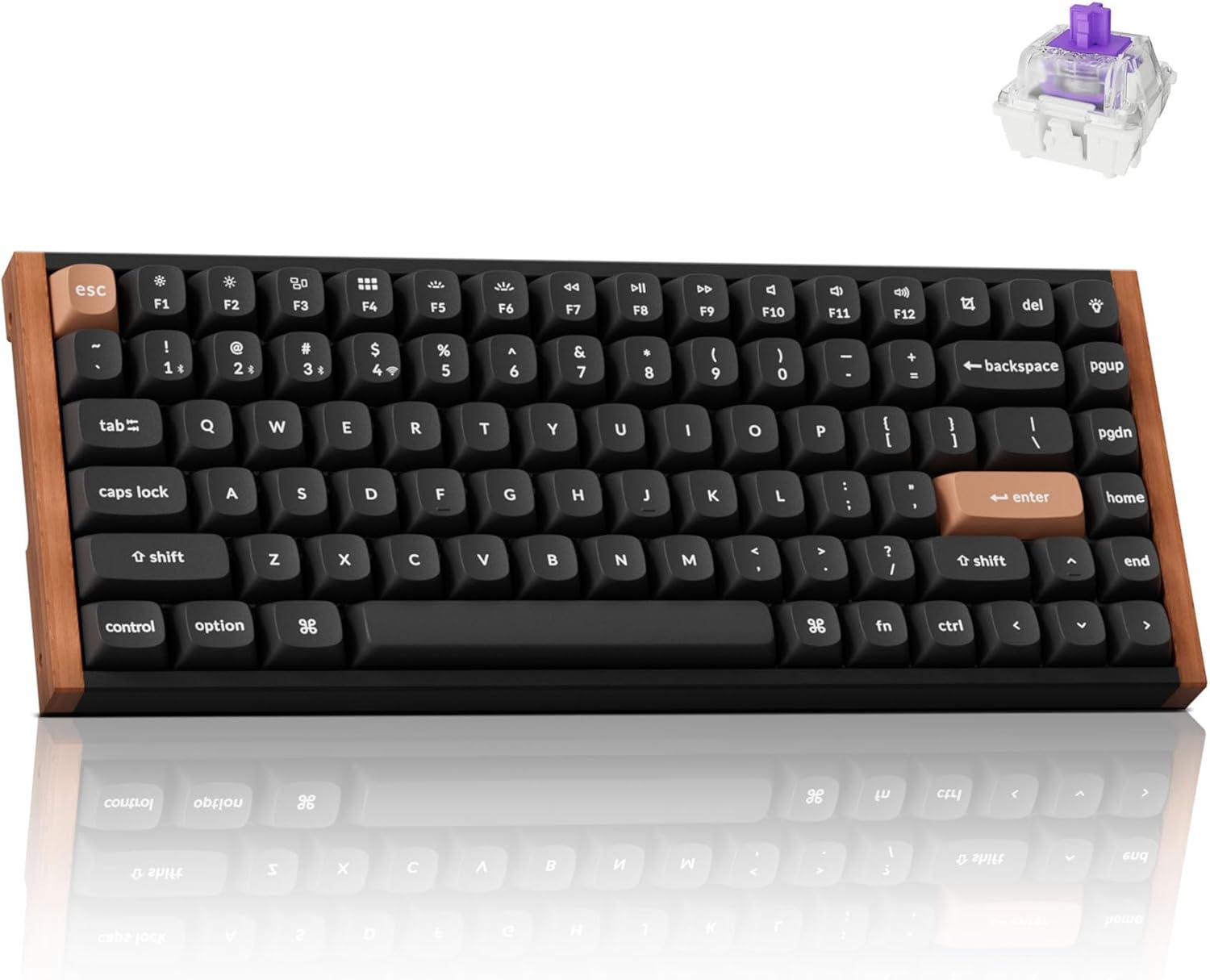
Magnetic gaming route
Rapid trigger and adjustable actuation only matter if your main priority is competitive gaming or very fast response.
Pick the board that best matches your main priority instead of trying to find one model that wins every category at once.
Balanced first pick
Best if you want a safe first buy with hot-swap support and a compact layout that still feels familiar.
Buy NowLearn MoreGaming-first upgrade
Choose this when magnetic-switch features are the reason you are shopping, not just because they sound new.
Buy NowLearn MoreCompact aluminum pick
A stronger fit for buyers who care about case feel and footprint more than getting the lowest possible price.
Buy NowLearn MoreSound-first premium pick
Shortlist this when sound and typing feel matter more than chasing every extra feature.
Buy NowLearn MoreThese follow-up reads help once you know the basics and want to compare switch feel, layouts, or more specific buying angles.
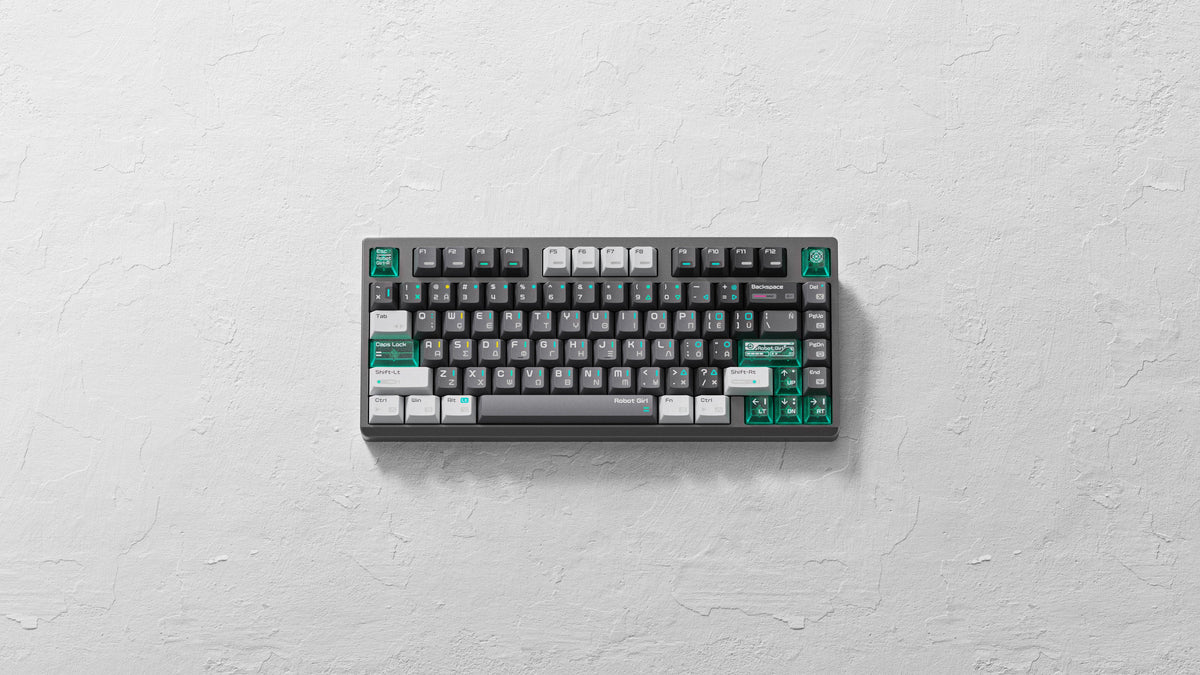
Apos Audio's October sale runs now, with up to 65% off mechanical keyboards, 40% off Ensembles, and up to 30% off Apos Certified. No discount code is needed. Here's what is still in stock as of October 13, 2026.
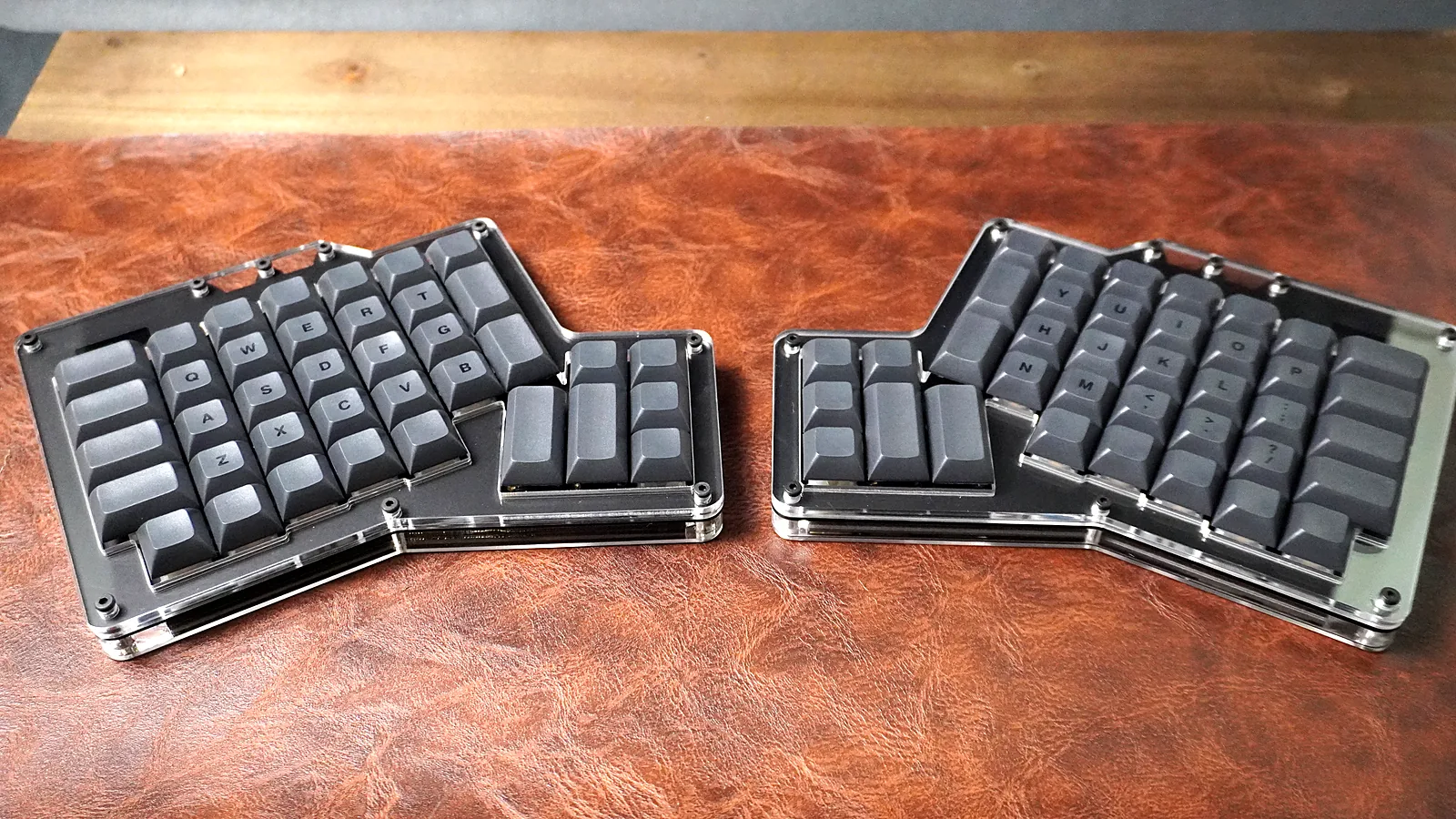
Our hands-on ErgoDox 76 Hot Dox V2 review: a prebuilt, hot-swap split ergonomic keyboard with VIA. Build, Gateron Milky Yellow Pros, thumb clusters, and who it's for.
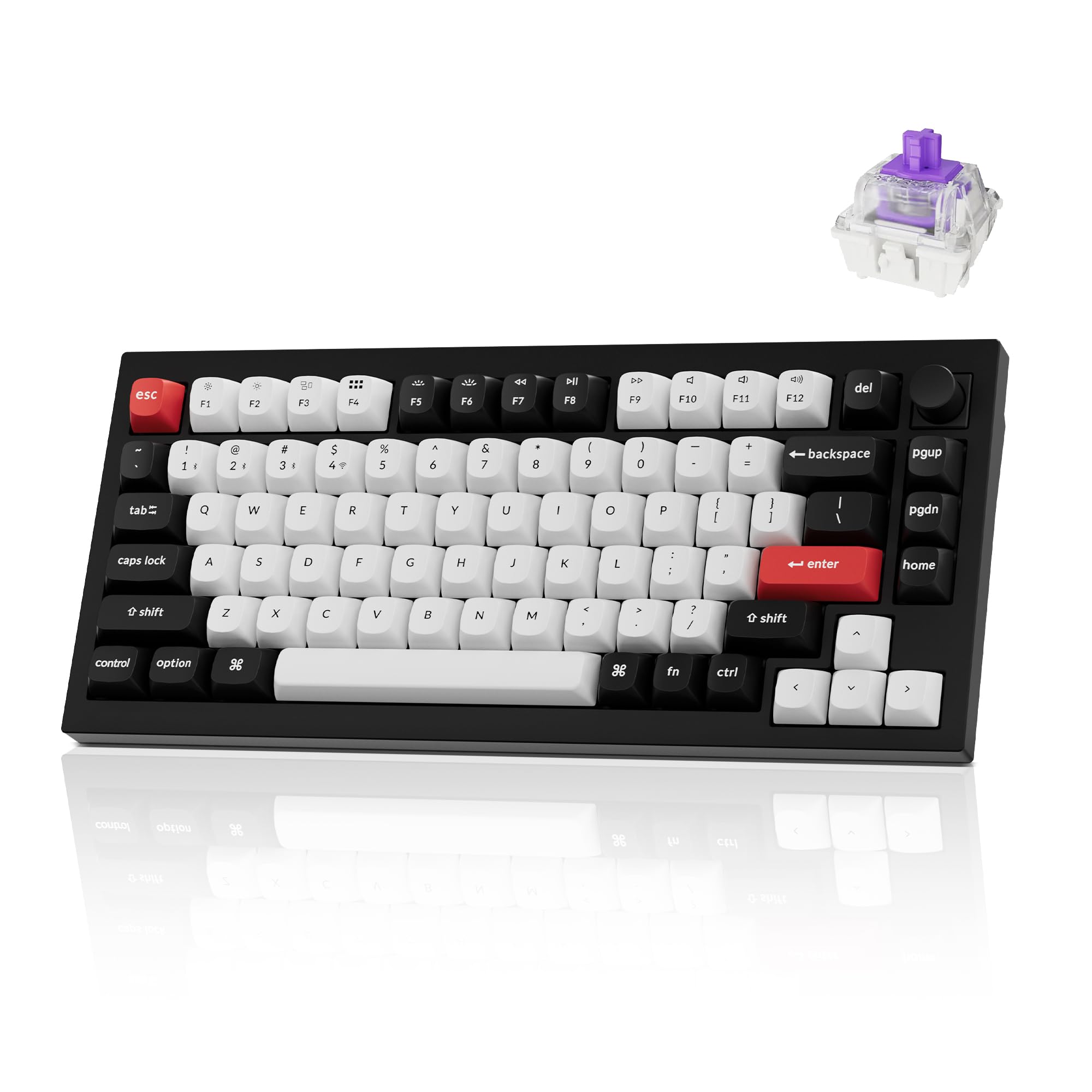
A guide to the Keychron Q1 HE, a wireless 75% Hall-effect keyboard: magnetic switches, adjustable actuation, Rapid Trigger, build, and who it suits.