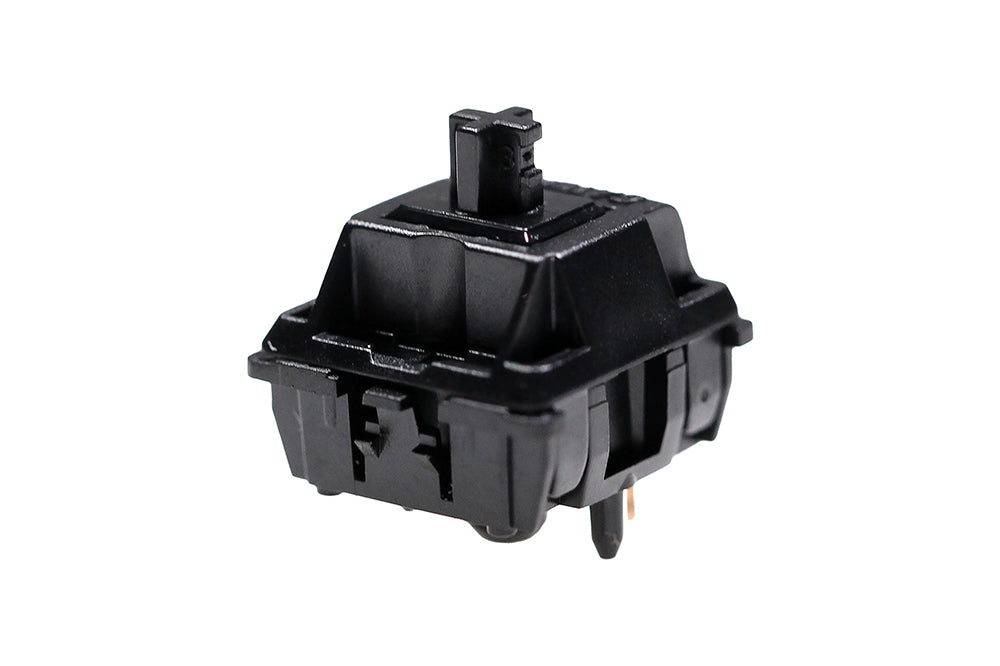
Gateron Oil King
The most-cited linear switch when people say a board sounds 'thocky'. Smooth, deep, and forgiving in a wide range of cases.
BuyA thocky keyboard makes a deep, muted sound instead of a high clack, and it is not just about the switch. The case, mounting style, stabilizers, foam, keycaps, and even desk contact all shape whether the board sounds deep and satisfying or thin and sharp.
Fastest path
These are the keyboards most worth looking at if your goal is not just a good board, but a board that can actually move toward that softer, deeper, more controlled sound profile.
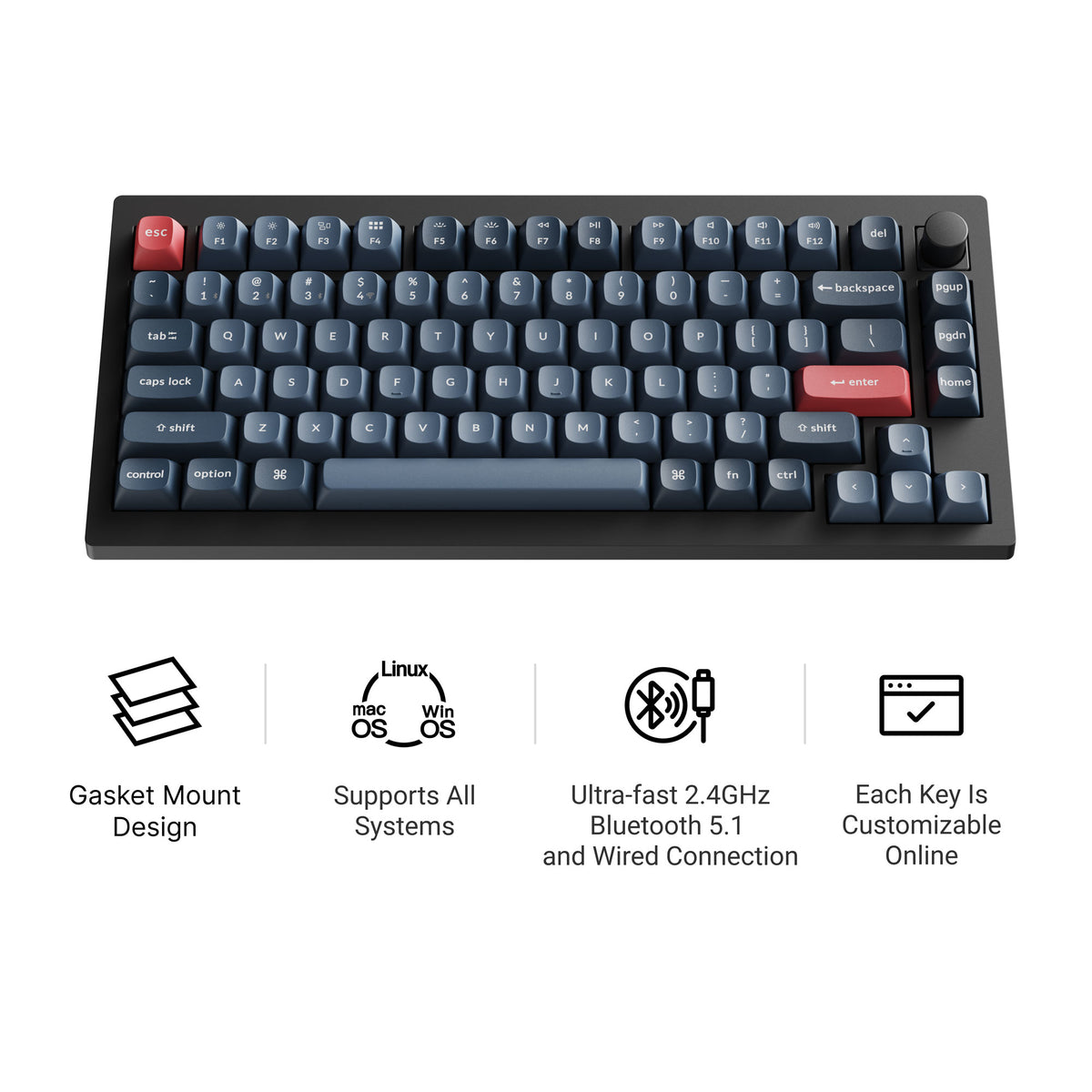
Best all-around thocky keyboard candidate
A 75% hot-swap board with a double-gasket design, factory pre-lubed switches and screw-in stabilizers, which covers most of the sound tuning on this page before you change a thing. Tri-mode wireless and QMK/VIA keep it practical for daily work.
Buy NowLearn More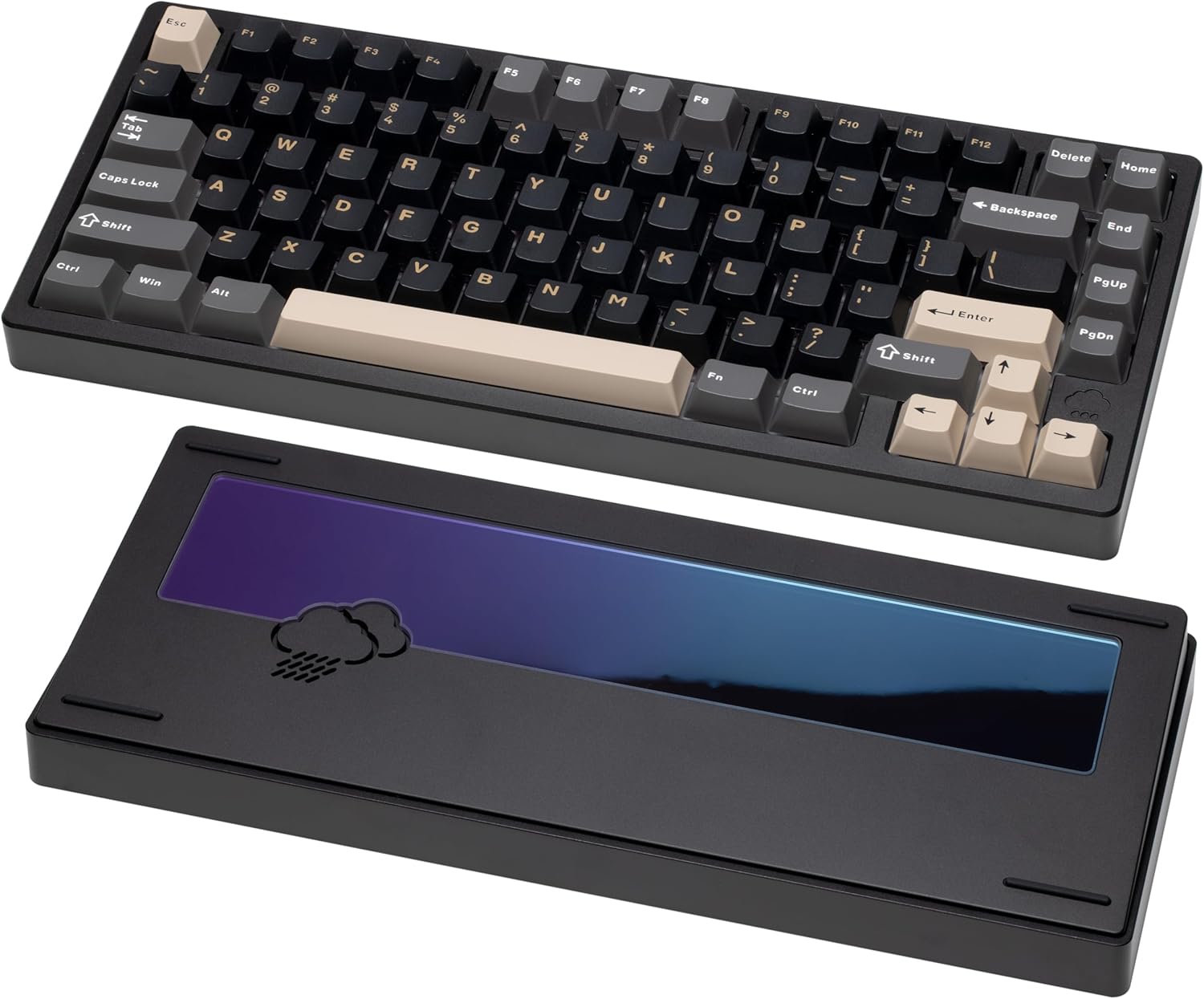
Best current cult-favorite sound profile
Frequently shortlisted because the board already leans toward the softer, deeper sound profile many people want when they say thocky keyboard.
Buy NowLearn More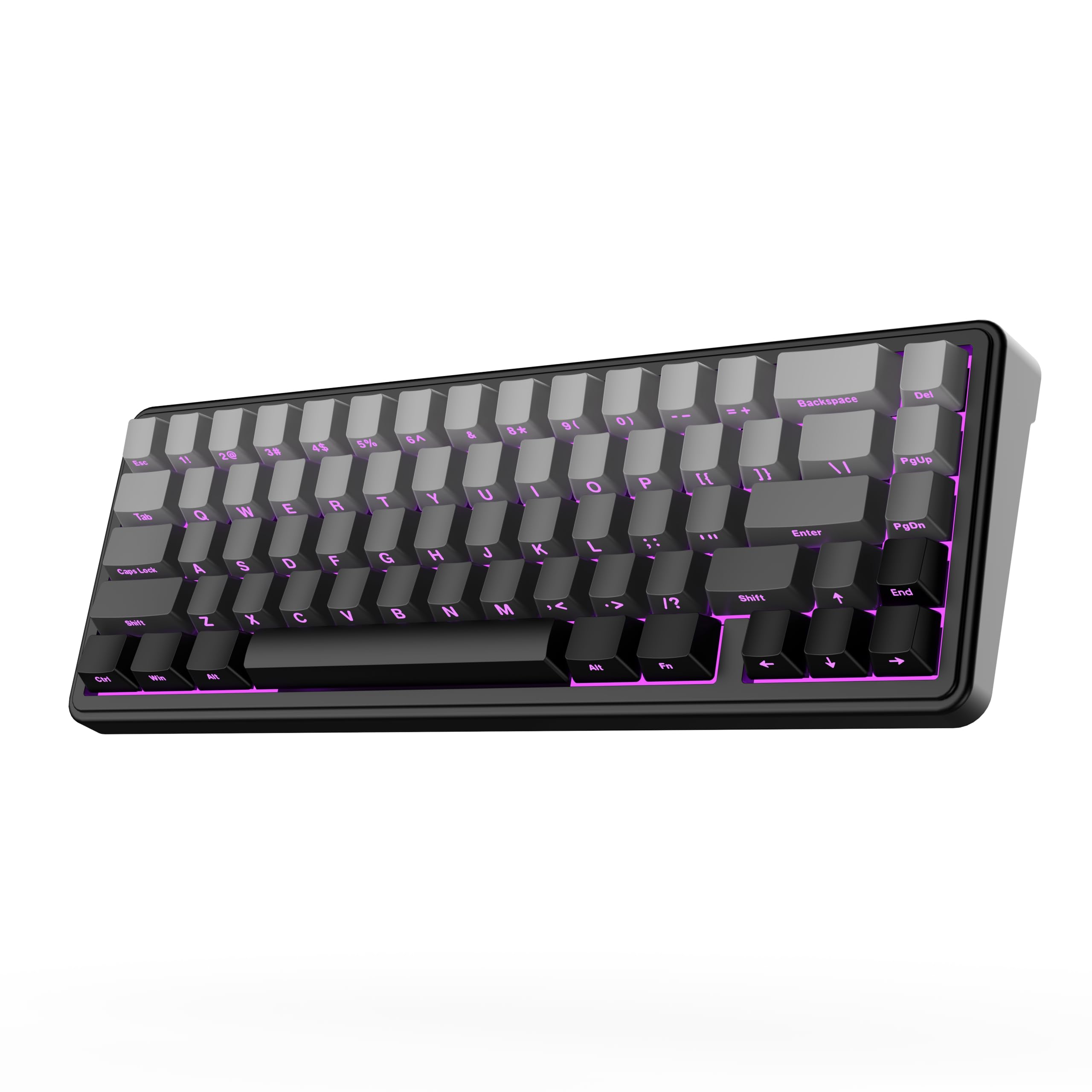
Best compact gasket-mount pick
A wireless, hot-swappable 65% with a gasket mount. An approachable route if you want gasket-style feel and a modern feature set in a smaller footprint than the 75% and 96% boards here.
Buy NowLearn More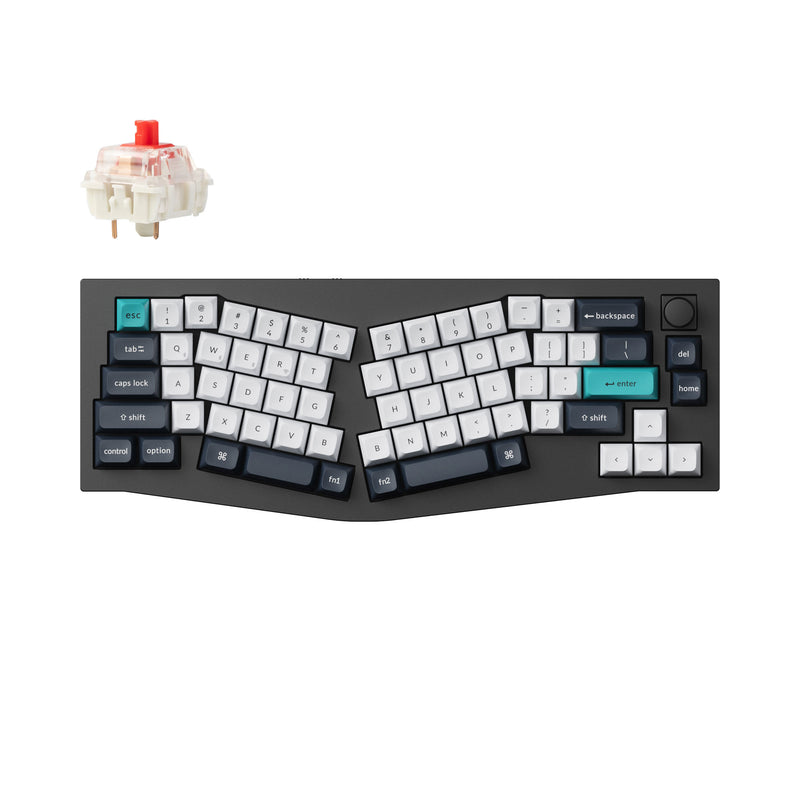
Best ergonomic thocky pick
A full aluminum gasket-mount case, the construction this page keeps coming back to, in an Alice layout that angles the keys for straighter wrists. Tri-mode wireless, QMK/VIA and hot-swap sockets.
Buy NowLearn More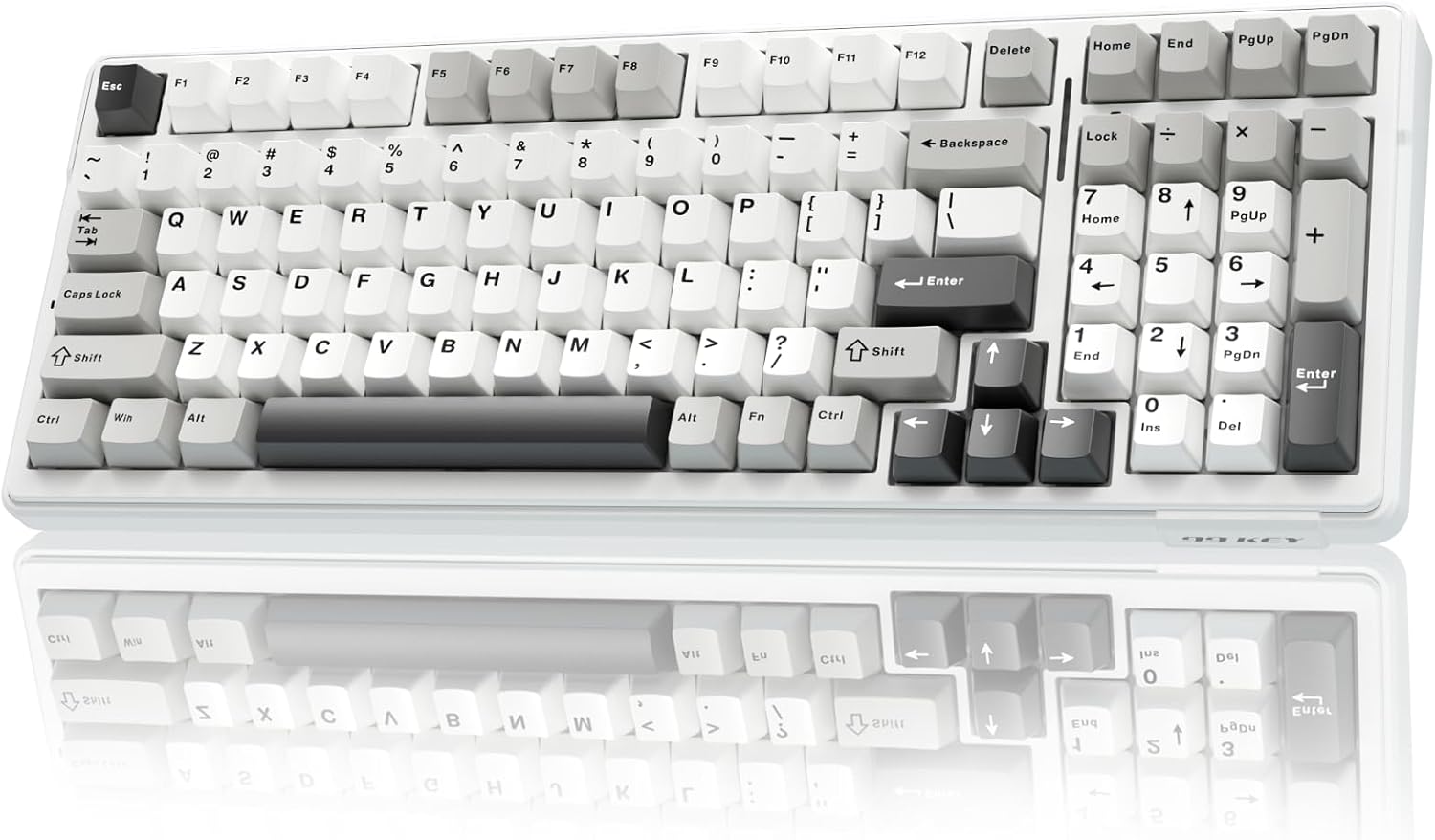
Best budget thocky-leaning prebuilt
96% prebuilt with five-layer dampening, gasket mount, and tri-mode wireless. The cheapest path on this list to a board that already sounds dampened out of the box.
Buy NowLearn MoreWhat matters most
The strongest factors are case acoustics, mounting style, switch choice, keycap thickness, and how well the stabilizers are tuned. A board with a good foundation usually matters more than chasing the most expensive switch first.
If you are trying to improve a board you already own, small changes like better feet, a desk mat, and stabilizer work can matter more than people expect.
Best strategy
Once a board with the right acoustic base is locked in, these are the switches and kits most worth pairing with it.
The most-cited linear switch when people say a board sounds 'thocky'. Smooth, deep, and forgiving in a wide range of cases.
Buy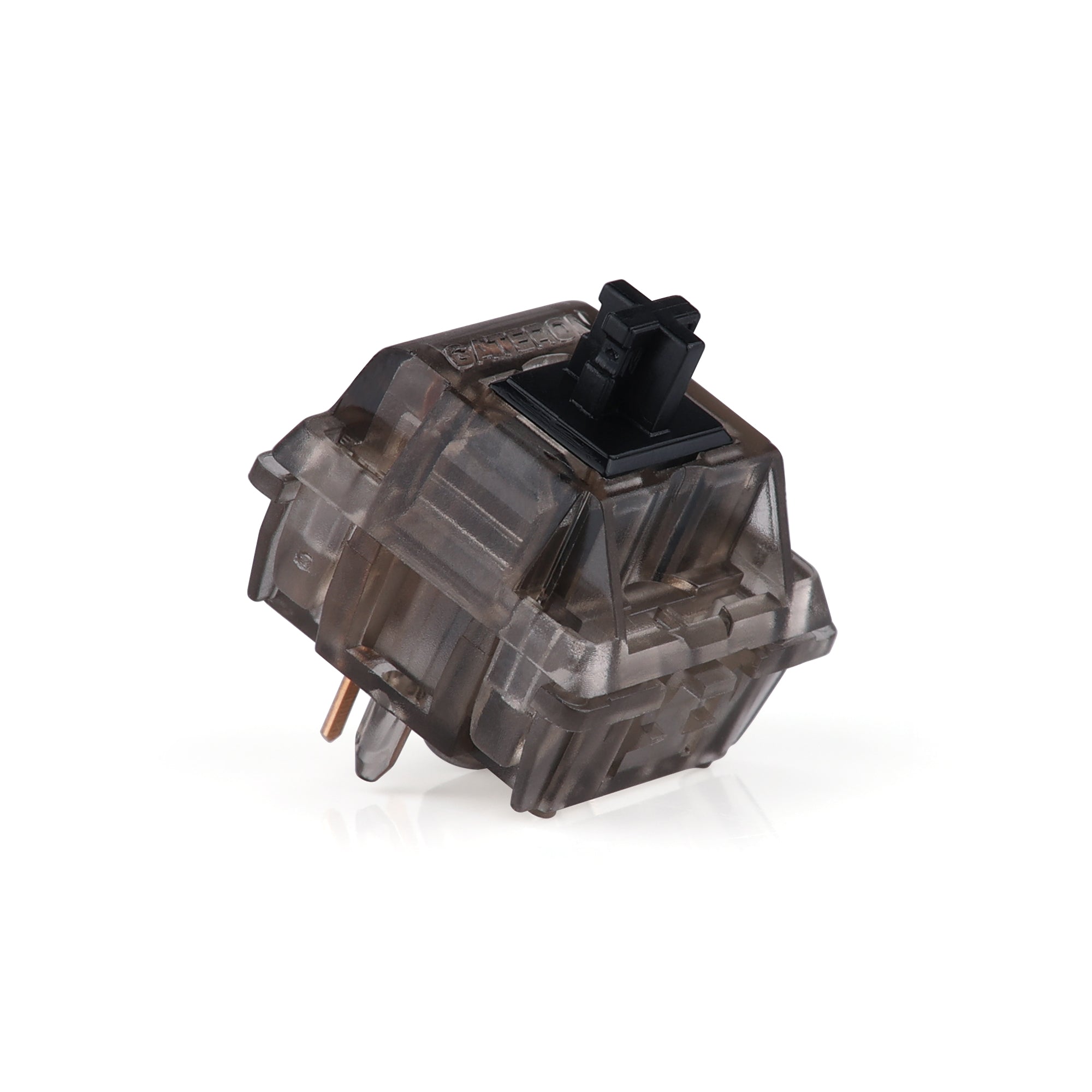
A sharper, slightly higher-pitched alternative to Oil King. Still firmly in the deeper-sound family, with a more pronounced bottom-out.
Buy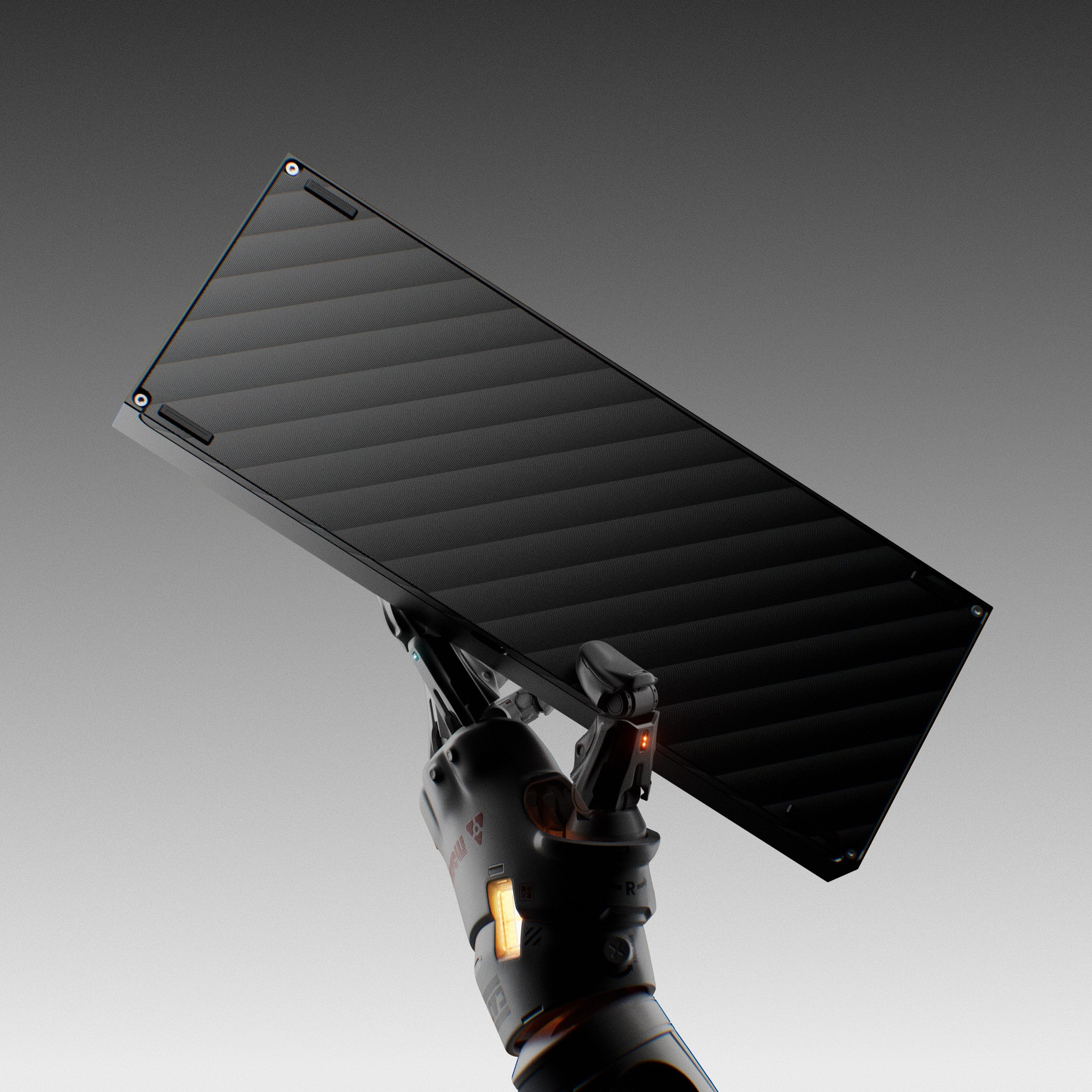
If you want to build for sound from the case up, the Tofu60 3.0 is the most direct path into a thocky 60% custom build.
BuyOnce the keyboard shortlist is right, switch feel and small tuning upgrades become much easier to evaluate.