If you've been shopping for a gaming keyboard lately and keep asking yourself what is a Hall Effect keyboard, here's the short answer: it's a keyboard that detects keypresses with a magnetic sensor instead of a physical metal contact. Each switch has a tiny magnet on the stem, and a Hall Effect sensor on the circuit board measures how close that magnet is — which means the board knows exactly how far down every key is at all times.
That one change unlocks features a traditional mechanical keyboard simply can't do: adjustable actuation, Rapid Trigger, and analog-style input. Hall Effect (often shortened to "HE" or called "magnetic") boards have exploded in popularity with competitive gamers, and in 2026 they've moved from a pricey niche into the mainstream.
How a Hall Effect Keyboard Works
To understand a Hall Effect keyboard, it helps to know how a normal mechanical switch registers a press. A standard switch has two metal leaves inside it. When you push the stem down far enough, the leaves touch, complete a circuit, and the keypress fires. The actuation point is fixed by the physical contact — usually around 2mm of travel.
A Hall Effect switch has no metal contact at all. Instead, there's a small permanent magnet attached to the moving stem. Soldered to the PCB beneath each key is a Hall Effect sensor — a component that outputs a voltage that changes depending on how strong the nearby magnetic field is. As you press the key down, the magnet moves closer to the sensor, the field strength rises, and the keyboard's firmware reads that as a precise depth measurement.
Because the board is measuring an analog value (the magnet's distance) rather than a simple on/off contact, it knows the key's position to a fraction of a millimeter, continuously. There are no leaves to wear out or bounce, so Hall Effect switches are also extremely durable and don't suffer from chatter.
What Makes Hall Effect Switches Special: Actuation, Rapid Trigger, and Analog
The magic of a magnetic keyboard isn't the sensor itself — it's what the software does with that depth data.
Adjustable actuation point. Because the board tracks exact key depth, you can tell it how far down a key has to travel before it registers. Want a hair-trigger 0.2mm actuation for twitchy shooters? Done. Want a deliberate 2.5mm to avoid accidental presses while typing? Also done — often per-key, and switchable on the fly.
Rapid Trigger. This is the headline feature for gamers. With Rapid Trigger enabled, a key registers the moment you start releasing it (rather than waiting for it to climb back past the actuation point) and re-fires the instant you press down again. The practical result is much faster, more responsive counter-strafing and repeated inputs — which is exactly why Hall Effect boards have taken over competitive FPS play. If that is the feature you are shopping for, our rapid trigger keyboard picks compare the boards that support it.
Analog input. Since the keyboard reads how far a key is pressed, it can treat keys like an analog joystick. Press W lightly to walk, harder to sprint — useful in racing and movement games that support gamepad-style input.
If you want to see these features in action on a real board, our Keychron K2 HE review and guide walks through setting up actuation and Rapid Trigger step by step.
Hall Effect vs. Mechanical: What's the Difference?
A Hall Effect keyboard is technically a mechanical keyboard — it still has individual switches with springs and stems under every key, so the typing feel is similar to a smooth linear switch. The difference is purely in how the press is detected and what that enables.
| Traditional Mechanical | Hall Effect (Magnetic) | |
|---|---|---|
| Sensing | Metal contact (on/off) | Magnetic field (analog depth) |
| Actuation point | Fixed (~2mm) | Adjustable (often 0.1–3.8mm) |
| Rapid Trigger | No | Yes |
| Analog/joystick input | No | Yes |
| Hot-swap switches | Usually any MX switch | Magnetic switches only |
| Typical price | From ~$40 | From ~$80 |
| Durability | 50–100M presses | Contactless — very high |
The big trade-offs: Hall Effect boards cost more, and you can only swap in other magnetic switches (not standard Cherry MX-style ones). If you mainly type and don't care about adjustable actuation, a standard mechanical board is still great value — see our beginner's guide to mechanical keyboards for that side of the decision.
If this comparison is the reason you're here, our full hall effect vs mechanical keyboard breakdown takes each trade-off further and recommends boards on both sides.
Is a Hall Effect Keyboard Worth It?
For competitive gamers, increasingly yes. Rapid Trigger and per-key actuation are genuine performance features, not gimmicks, and prices have dropped enough that a quality magnetic board no longer requires an enthusiast budget. If you play FPS games seriously — or you just like the idea of dialing in exactly how every key feels — a Hall Effect keyboard is a worthwhile upgrade. If you're still weighing the underlying switch feel, our guide to the best keyboard switches for gaming compares fast magnetic linears against traditional linear and silent options for competitive play.
If you primarily type, code, or game casually, the benefits matter less and a good standard mechanical keyboard will serve you well for less money. The good news is that the best Hall Effect boards in 2026 type beautifully too, so you're not giving anything up by going magnetic other than the higher price.
Best Hall Effect Keyboards to Start With
These are solid, widely available magnetic boards spanning wireless flagships, premium gaming TKLs, and budget-friendly prebuilts. You can explore the full lineup on our Hall Effect keyboards hub — and if your priority is pure competitive play, jump straight to our best hall effect gaming keyboard picks.
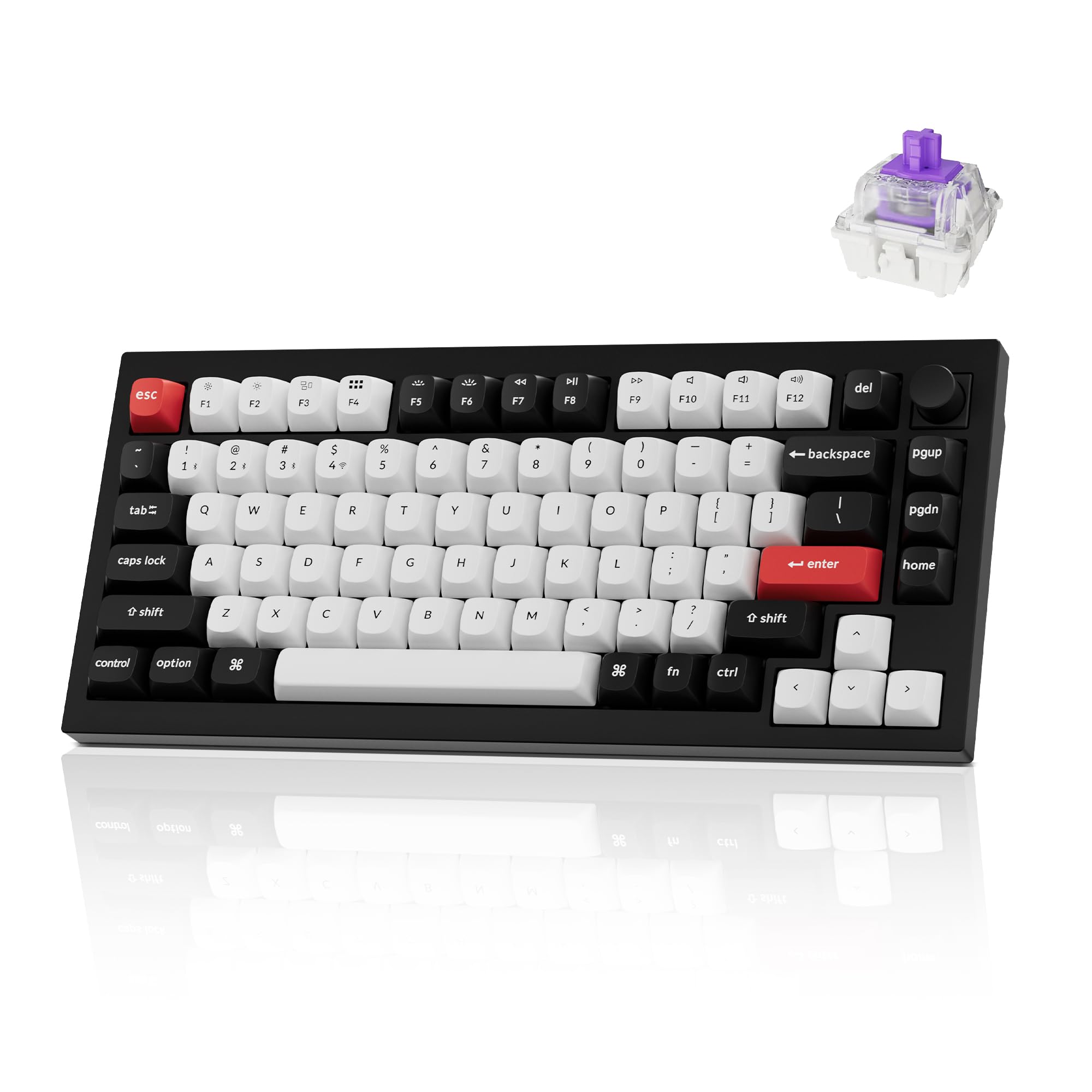
Keychron Q1 HE
The Keychron Q1 HE is the board to beat for anyone who wants Hall Effect performance and a premium typing experience. It's a wireless 75% with Gateron double-rail magnetic switches, full Rapid Trigger, adjustable actuation, and QMK/VIA support — a rare combination of esports features and enthusiast build quality in one package.
Pros: Wireless (2.4 GHz + Bluetooth), Rapid Trigger, QMK/VIA, excellent aluminum build Cons: Premium price, heavier than plastic boards
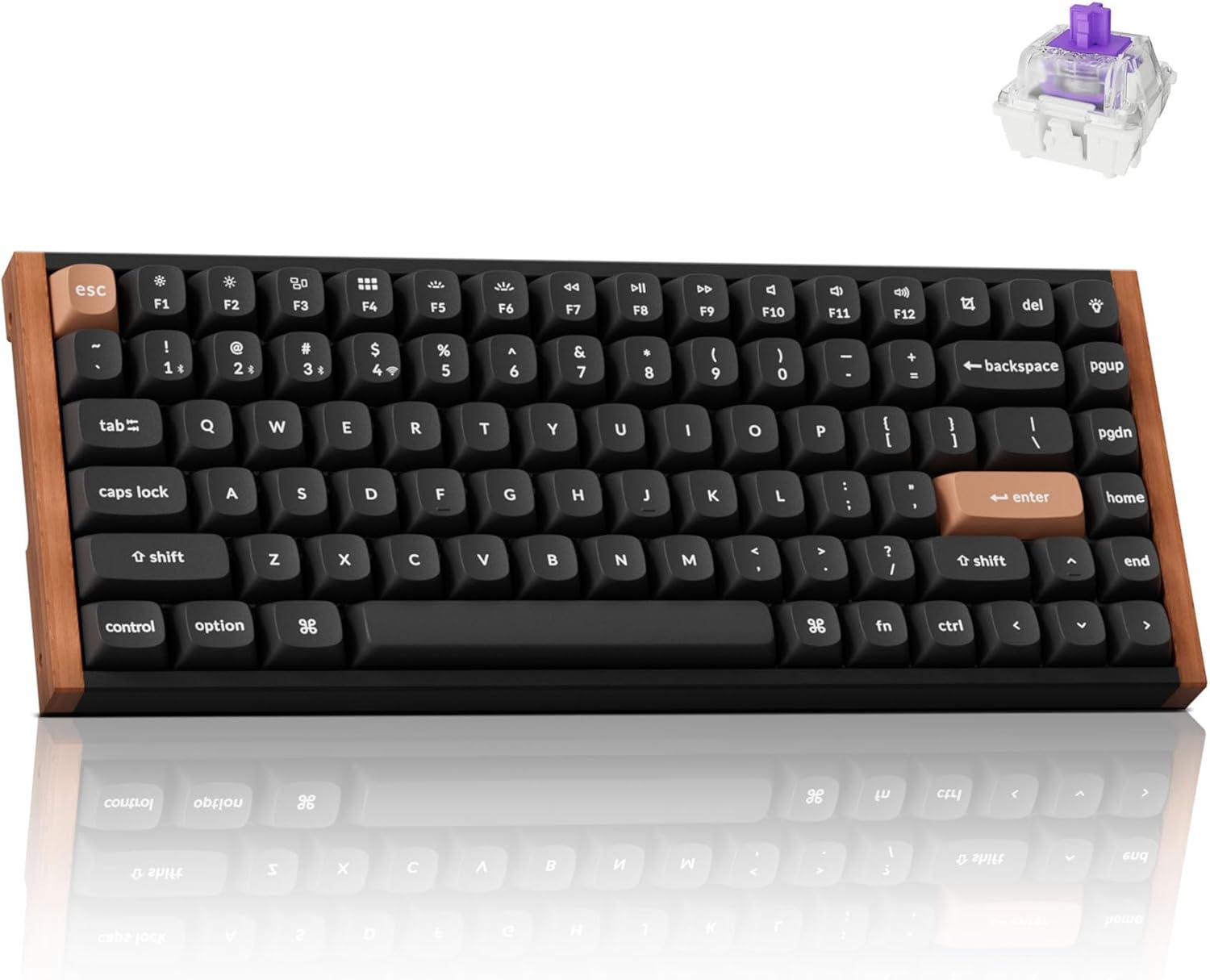
Keychron K2 HE
The K2 HE brings Hall Effect switches to Keychron's hugely popular 75% layout with customizable actuation as low as 0.1mm, tri-mode connectivity, and a big 4000mAh battery. It's a great everyday-plus-gaming pick if you want one keyboard that does typing, productivity, and competitive play.
Pros: Actuation from 0.1mm, tri-mode wireless, QMK/VIA, big battery Cons: Magnetic switches only (no MX hot-swap)
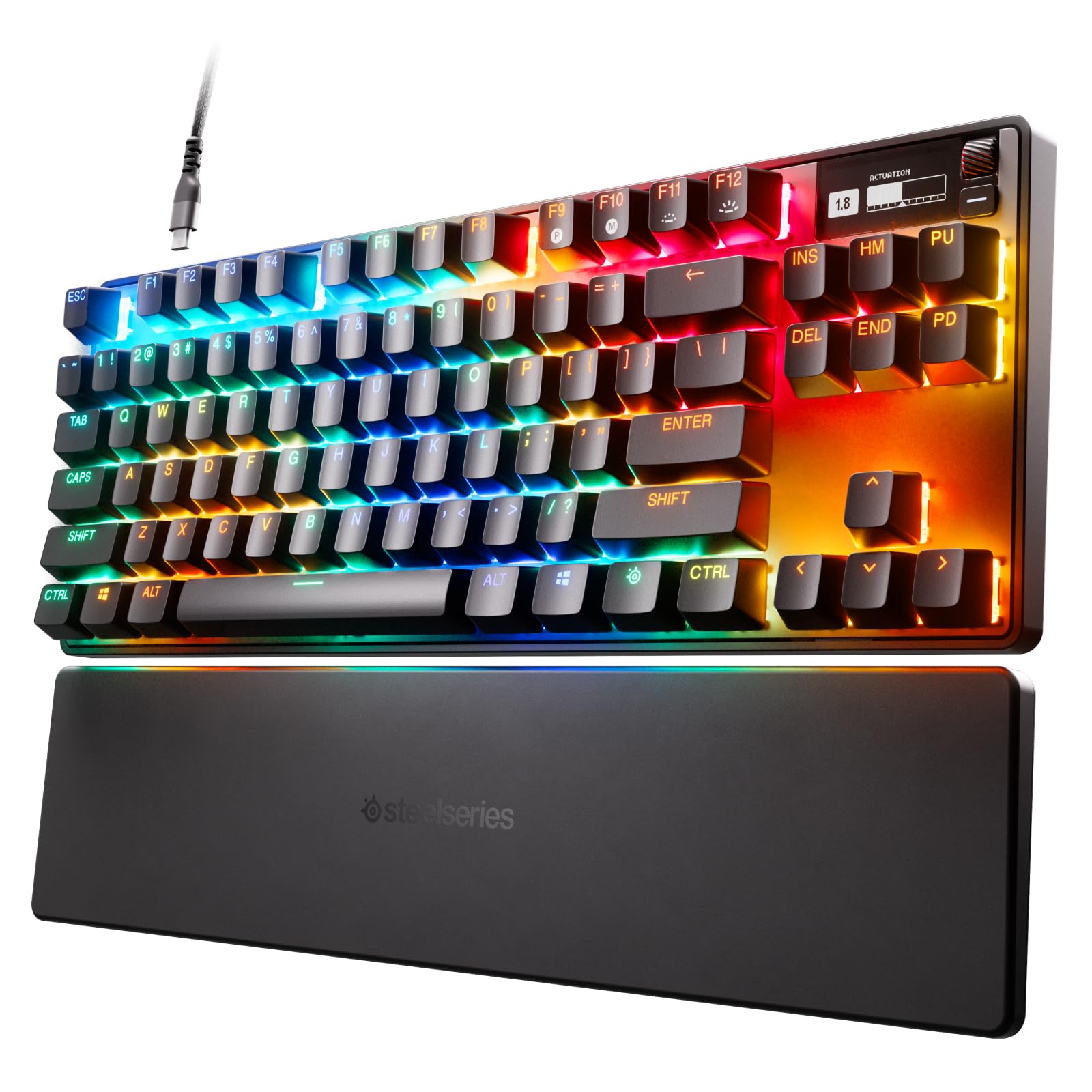
SteelSeries Apex Pro TKL (HyperMagnetic)
The Apex Pro TKL was one of the keyboards that popularized adjustable magnetic actuation, and the current HyperMagnetic generation remains a go-to for gamers who want a polished, plug-and-play package. Per-key actuation and a premium build make it a reliable pick if you'd rather buy from a mainstream gaming brand.
Pros: Per-key adjustable actuation, premium build, strong software Cons: Pricey, proprietary ecosystem
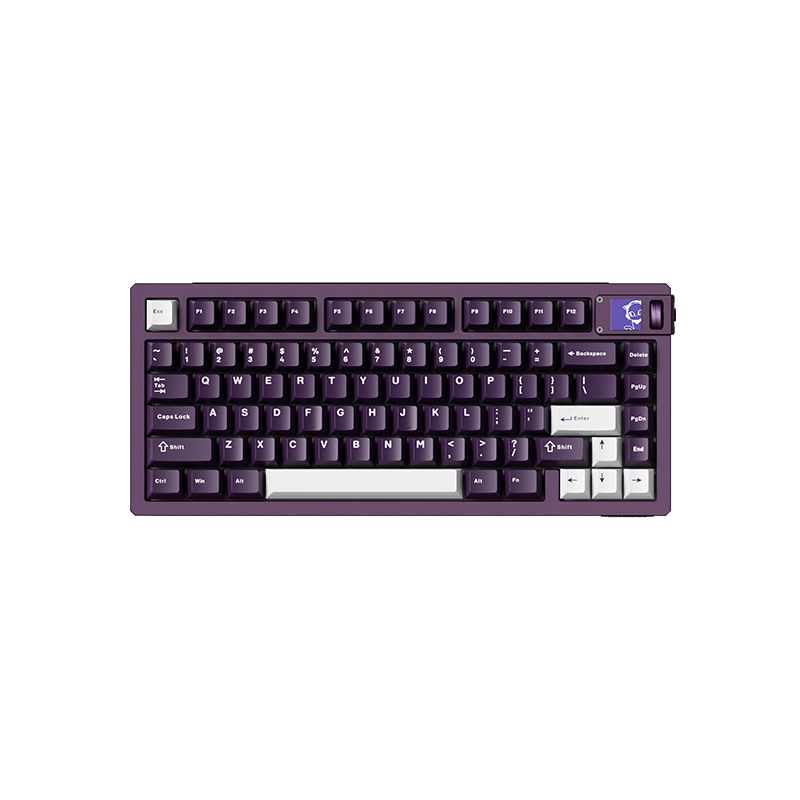
Akko MOD007 V5 HE
Akko's magnetic flagship pairs Hall Effect switches and Rapid Trigger with the kind of refined 75% frame Akko is known for. Adjustable actuation and a competitive-gaming focus make the MOD007 V5 HE a strong value alternative to the big mainstream brands.
Pros: Rapid Trigger, adjustable actuation, premium 75% frame, great value Cons: Software less mature than Keychron/SteelSeries
KBDFans Tofu Redux V2 HE
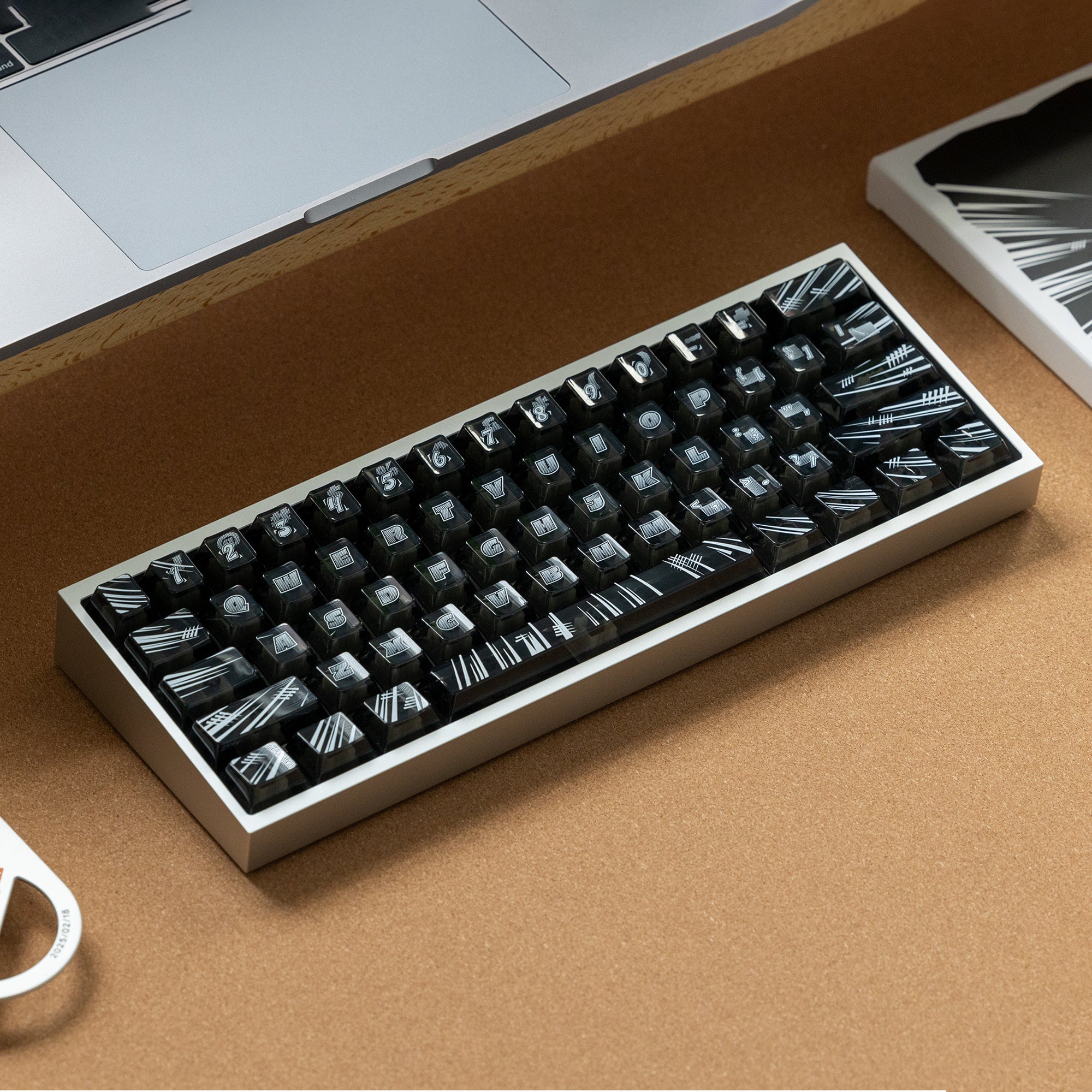
If you want a compact 60% Hall Effect board without building one from scratch, the fully assembled Tofu Redux V2 HE is the easy answer. It packs Rapid Trigger and adjustable actuation into KBDFans' beloved Tofu case — this is the magnetic-switch rebuild of that case, and the board that took over from the older Tofu60 HE — making it the best pick for competitive gamers who prefer a minimalist footprint. It arrives hand-tuned with a PBTfans Flash keycap set at $159.
Pros: 60% layout, Rapid Trigger, adjustable actuation, prebuilt, keycaps included Cons: No wireless, 60% removes arrows/function row
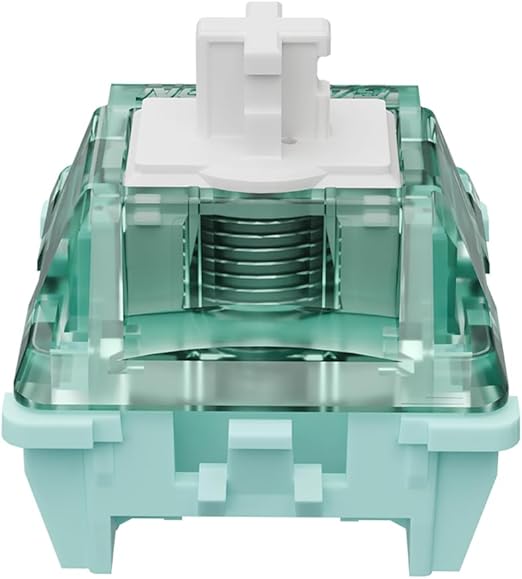
Gateron Magnetic Jade Pro Switches (70pcs)
Already have a Hall Effect board with a hot-swap PCB? The Gateron Magnetic Jade Pro is a popular drop-in upgrade — a smooth linear magnetic switch with adjustable actuation and a refined feel. A 70-pack is enough to re-switch most 60–75% boards. For more options, see our best magnetic keyboard switches roundup.
Pros: Smooth linear feel, adjustable actuation, easy drop-in upgrade Cons: Only fits Hall Effect (magnetic) PCBs
The Bottom Line
So, what is a Hall Effect keyboard? It's a magnetic-switch keyboard that measures exactly how far each key is pressed, unlocking adjustable actuation, Rapid Trigger, and analog input that traditional mechanical boards can't match. For competitive gamers it's one of the most meaningful upgrades available in 2026, and prices have finally come down to where it's an easy recommendation. Browse our list of the best hall effect keyboards to compare layouts and find the right magnetic board for your setup.