A keyboard switch tester lets you press a set of mechanical switches side by side before you spend $40 or more on a full set. Weight, the shape of a tactile bump and the click of a clicky switch are hard to judge from a spec sheet. They take about ten seconds to judge with a finger.
We checked the price and stock of every pick on November 26. Keychron and KBDfans had these marked down with no end date shown, so expect prices to move around Black Friday. Nothing here is from Amazon, and every pick was in stock in at least one version when we checked.
What a Switch Tester Can and Can't Tell You
A switch tester is a base, usually acrylic, with switches mounted in it and keycaps on top. You don't plug it in. Pressing each key shows you three things:
- Weight. How hard you push before the key registers. Specs list it in grams of force (gf). 45gf feels light and 60gf feels firm.
- Feel. A linear switch moves straight down. A tactile switch has a small bump partway. A clicky switch adds a sharp click on top of the bump.
- Travel. How far the key moves, and whether it stops softly or hard.
What it won't show you is the sound of a finished keyboard. A tester has no plate, no case and no foam, so every switch sounds thinner than it will once it is built into a board. Bottoming out on hard acrylic also feels harsher. Judge feel and weight on a tester. Judge sound from a recording of the switch in a real board, or from your own board (see the sampler packs below).
If the terms are new, our guide to switch types for beginners and the linear vs tactile comparison explain them in more depth.
The Best Keyboard Switch Testers
These three are real testers: many switches on one base, made for comparing.
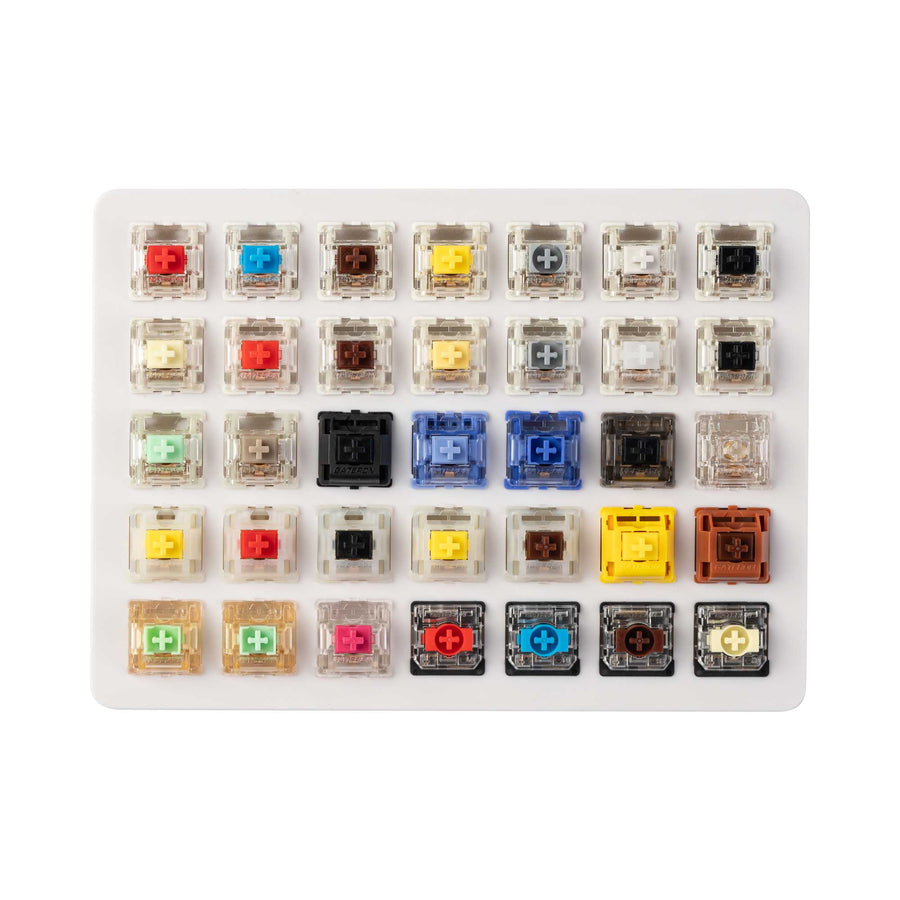
Gateron Switch Tester Version 2: $11.99, the best value. It is 35 Gateron switches and a holder, sold by Keychron. On November 26 it was $11.99, down from $14.99, and in stock. Gateron makes the switches in many budget and mid-range boards, so this is a cheap way to try the brand you are most likely to end up buying. Keychron's page doesn't list the 35 switches by name, but the product photo shows red, brown and blue Gateron stems, so linear, tactile and clicky are all covered, plus a row of what look like low-profile switches. Check the photo if you want a specific one. At $11.99 it works out to about 34 cents a switch, with the holder included, which is why it's our pick for a first Gateron switch tester.
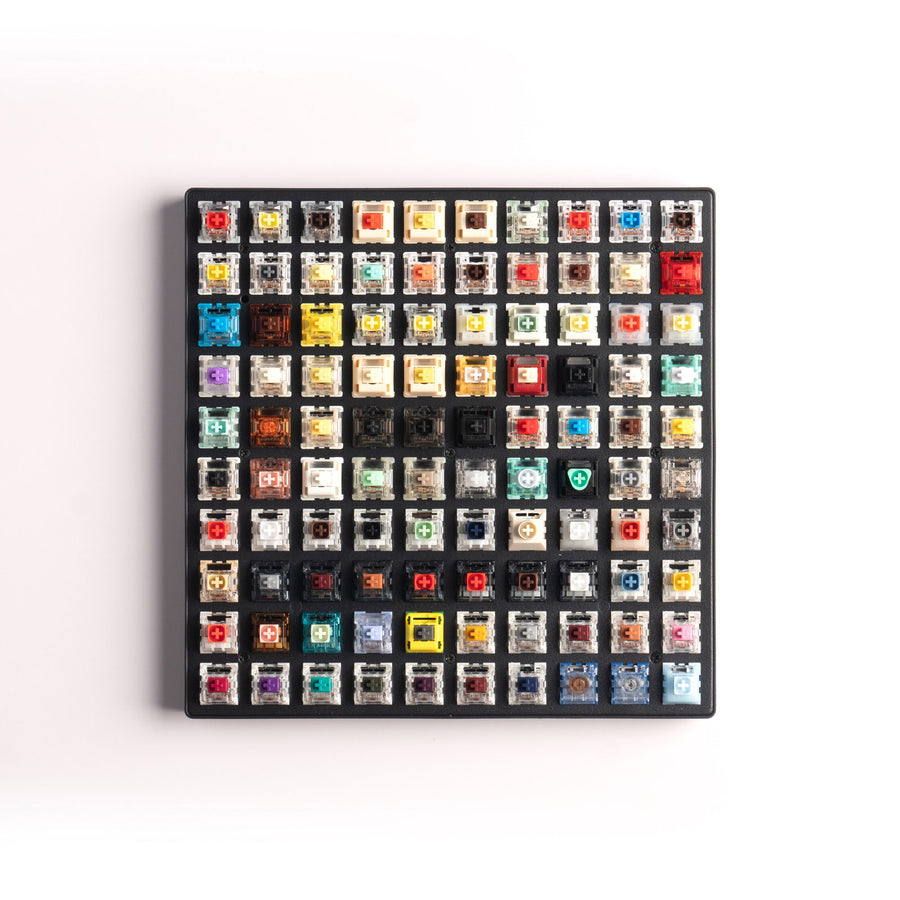
Keychron Switch Tester 100 Max Edition: $47.99, the biggest tester we found. It holds 100 switches. Keychron says 88 are mechanical and 12 are magnetic, from Huano, Keychron, Gateron and Kailh, with transparent ABS keycaps. The magnetic switches are the reason to pay more. If you are deciding between a normal board and a magnetic Hall effect keyboard, this is the only tester here that has both. On November 26 only Version 2 was in stock, at $47.99 (down from $59.99). Keychron says the two versions differ only in the first three Keychron switches: Version 1 has Keychron Super switches, Version 2 has Keychron Apex switches. Buy this Keychron switch tester if you want to compare brands as well as types.
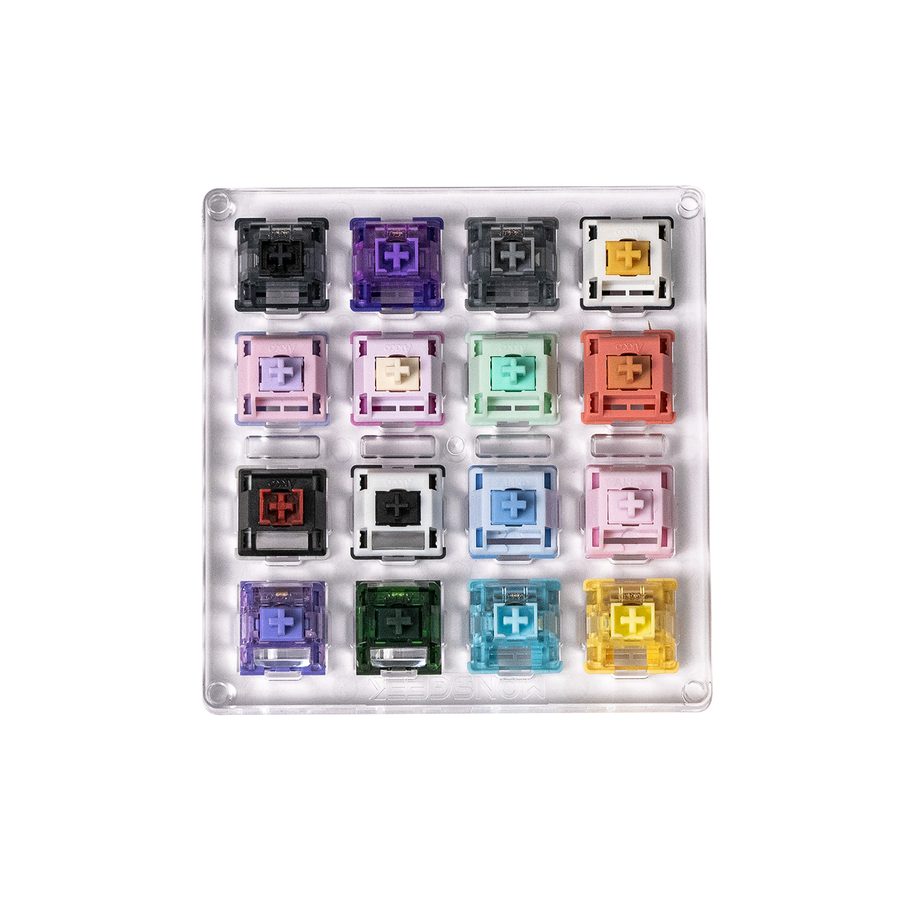
Akko 16-Key Switch Tester: $8.99, the cheapest real tester. It's an Akko and MonsGeek acrylic block with 16 Akko switches: 12 linears (V3 Creamy Yellow Pro, Rosewood and Dracula among them) and 4 tactiles (V3 Creamy Blue Pro, Creamy Purple Pro, Lavender Purple Pro and Penguin). The tactile set is useful because the bumps differ. Akko lists the V3 Creamy Blue Pro bump at 55gf and the Penguin at 65gf, so you can feel a light bump next to a strong one. There are no clicky switches in it. Akko notes the exact switches shipped can vary. On November 26 the "No Top Case" version was in stock at $8.99 and the "With Top Case" version was sold out.
A Cheaper Route If Your Keyboard Is Hot-Swap
If your keyboard is hot-swappable, you don't need a tester at all. A sampler pack lets you pull a few switches out of your own board and press the new ones in. That's the only way to hear a switch in your own case, which no tester can show you. Our hot-swap guide for beginners covers how, and how to remove keyboard switches shows the puller technique.
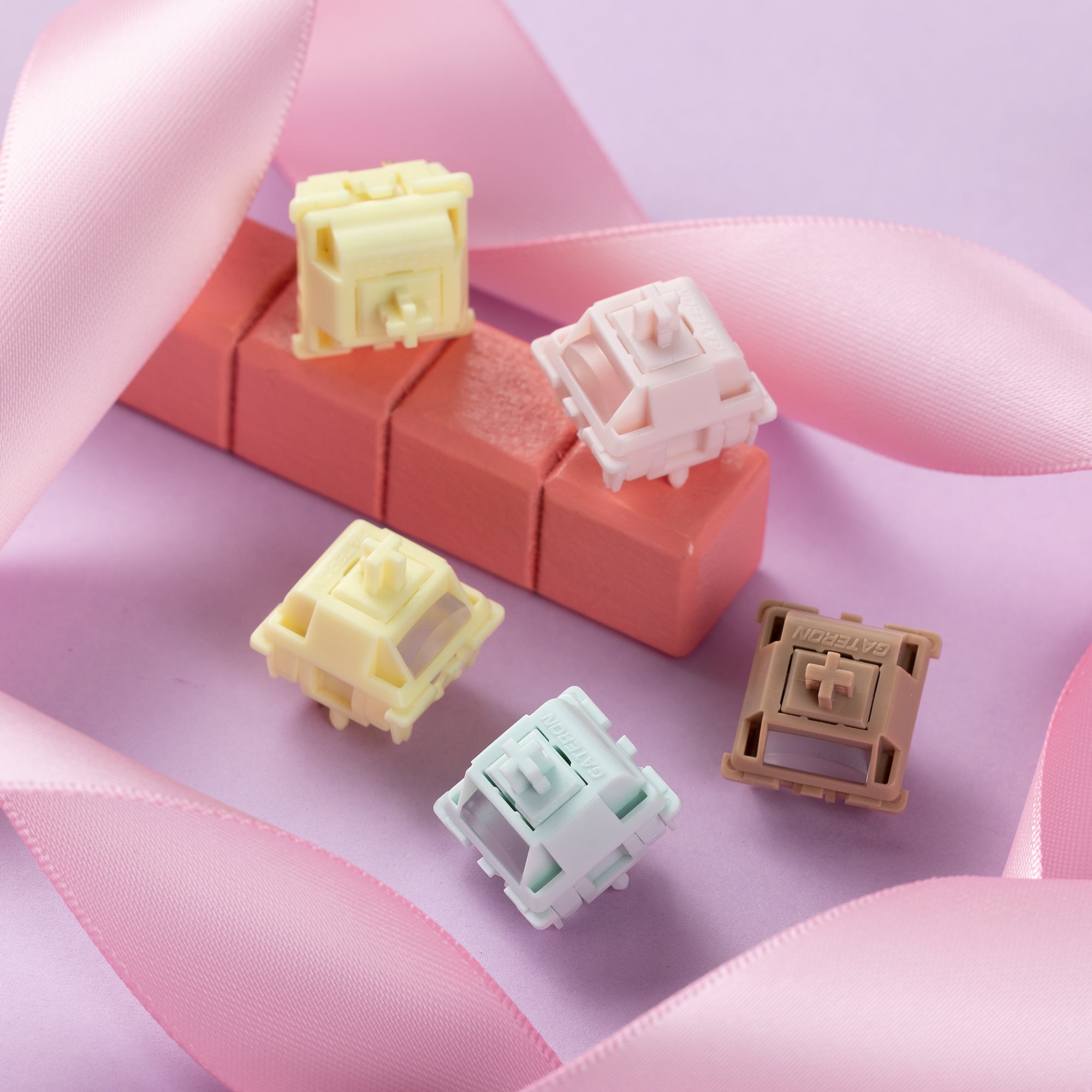
Gateron Full POM Smoothie Party Switches: $2.70 to $4.50 for 10 switches. KBDfans sells four flavors in packs of 10: Mint (silent linear), Strawberry (linear), Chocolate (tactile) and Banana (heavy tactile). On November 26 Strawberry and Chocolate were $2.70 and Mint and Banana were $4.50, all four in stock and all slightly marked down. Buy one pack of each and you have 40 switches covering silent, linear, tactile and heavy tactile for about $14.40, roughly the price of the Gateron tester. Put them on the keys you press most, such as the space bar row and the home row, and type on them for a day.
Switch Testers That Are Really Desk Toys
These two have "switch tester" in the name. Each holds one switch, so they can't help you compare anything. They make good small gifts, and our stocking stuffers for gamers list includes both.
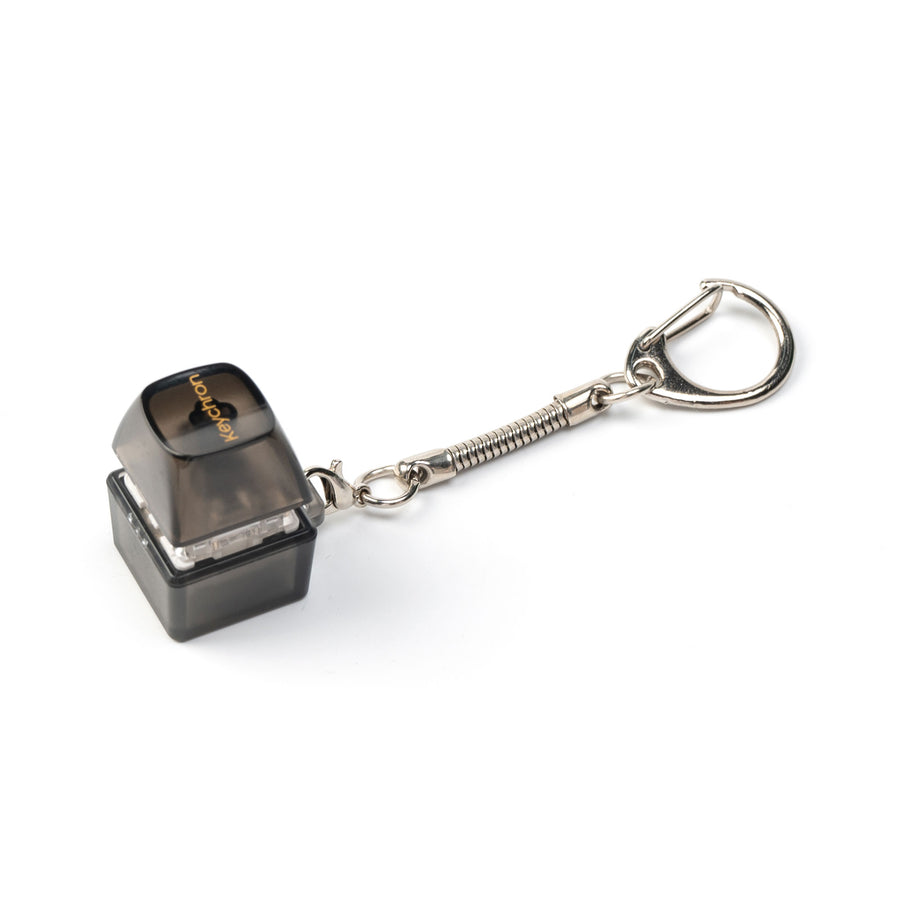
Keychron Switch Tester Keychain: $7.99, for a key ring. One switch under a smoked Keychron keycap, on a keychain. It was $7.99 on November 26, down from $9.99, and in stock. Keychron lists the only option as "10 PCS," so check the quantity on the page before you order.
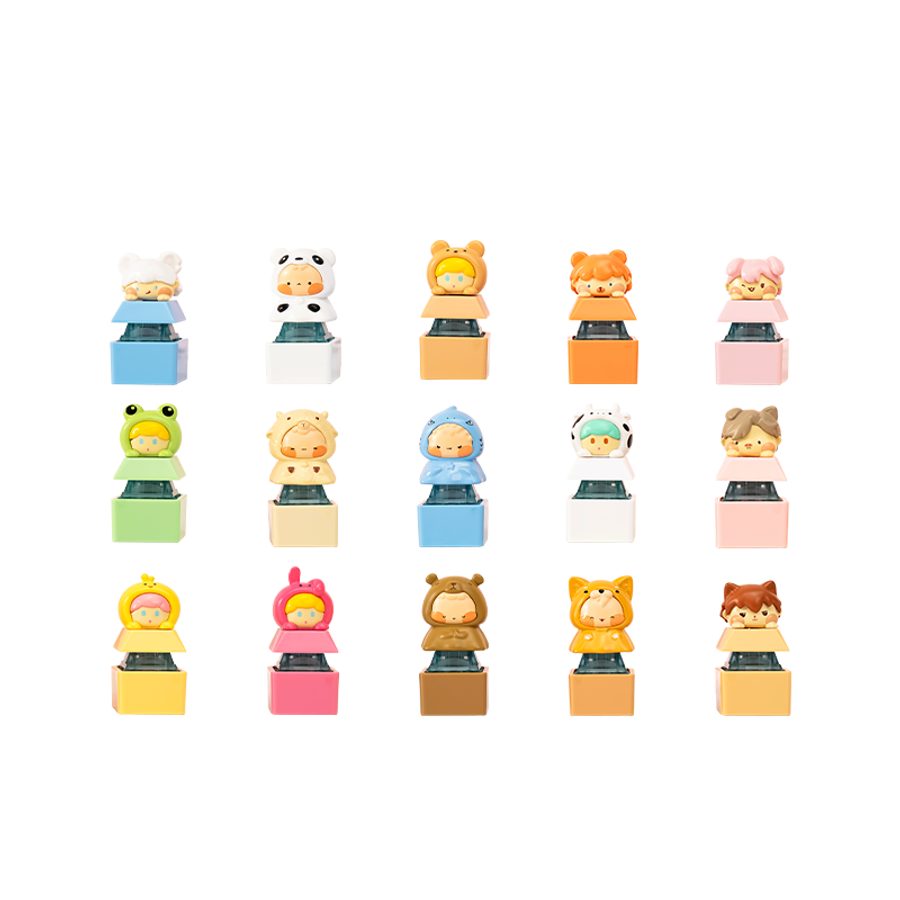
Akko Animal Artisan Keycap × Switch Tester: $7.99, a fidget for the desk. A 3D animal keycap sits on an Akko Creamy Cyan switch, which Akko describes as clicky, on a base in a matching color. On November 26, 9 of the 15 animals were in stock: Piggy, Bun Bun, Hoppy Frog, Pinky Bunny, Puffy Bear, Bubbly Cow, Sunny Chick, Sheep and Capybara.
How to Use a Switch Tester
Five minutes with a tester tells you more than an hour of reading spec sheets, if you test with a plan.
- Sort first. Group the linears, the tactiles and the clickies. Decide which group you like before you compare switches within it.
- Compare in pairs. Press two switches one after the other, twenty times each. Keep the one you prefer and try it against the next. Don't try to rank all of them at once.
- Press the way you type. Tap lightly, then press fast like you're typing a sentence. A switch that feels nice under a slow press can feel tiring at speed.
- Write down the winners. Note the names. On the Akko tester they are printed on the card. You'll need exact names when you shop for a full set or a hot-swappable keyboard that ships with them.
- Check the weight on the spec sheet. If you liked a 45gf linear, other switches near 45gf will feel close to it.
Most people settle on a type within a few minutes. The harder choice is between two switches of the same type. That's where a tester with several linears or several tactiles, like the Akko, earns its price. Our switches hub and the tactile switch picks are good next stops once you know what you like.
Which Switch Tester to Buy
For most people, the Gateron Switch Tester Version 2 at $11.99 is the one to get: 35 switches for the price of lunch. If you only want to know linear versus tactile, the Akko 16-key at $8.99 does that for less. If you are about to spend $100 or more on a keyboard and want to try magnetic switches too, the Keychron 100 Max is worth the $47.99. And if your board is already hot-swap, skip the keyboard switch tester and buy four Smoothie packs instead. They go straight into the board you already own.
Frequently Asked Questions
What is a keyboard switch tester?
A small base with a handful of mechanical switches mounted in it, usually with keycaps on top. You press each one to feel its weight, bump and sound before you buy a full set of 70 to 110 switches for a keyboard. It works on its own and never plugs into a computer.
Is a switch tester worth it?
Yes, if you are about to buy switches or a keyboard and haven't settled on linear, tactile or clicky. A tester costs $8 to $48. A full set of switches costs far more, and buying the wrong feel means buying them twice.
Which switch tester should a beginner buy?
The Akko 16-Key Switch Tester at $8.99 or the 35-switch Gateron tester at $11.99 (the Gateron price was a Keychron sale price on November 26). Both cover the main switch types for little money. The 100-switch Keychron tester suits someone comparing many brands, including magnetic switches.
Does a switch tester sound like a real keyboard?
No. A tester has no plate, case or foam, so the sound is thinner and the bottom-out feels harder than it will in a built board. Use it to judge weight and the shape of the bump, not the final sound.
Can I test switches in my own keyboard instead?
Yes, if the keyboard is hot-swappable. Buy a small sampler pack, pull a few switches out of the board and push the new ones in. That shows how a switch feels and sounds in your own case.